You’re probably choosing between two annoyances right now. One headset has a cable that catches on your chair and drags across the desk. The other cuts the cord, but you know that dead-battery moment is waiting for you at the worst possible time.
That is the actual wired vs wireless gaming headset debate. It isn’t just speed versus convenience. It’s about how you play, how long you keep your gear, and whether you’re buying for this month or for the next few years.
A lot of buying guides stop at latency. That matters, especially for shooters. But budget-minded players need a better question: which option gives the best long-term value once durability, battery aging, charging habits, and everyday use are part of the equation?
- Aluminum frame outlasts plastic-shell budget headsets
- Detachable mic for streaming or solo use
- Multi-platform 3.5mm support keeps it flexible
- 7.1 virtual surround leans gimmicky for purists
- Cable management can get fussy on a busy desk
- Stock pads can warm up during long sessions
- Lighter than most competing budget headsets
- Cleaner design that fits work/home use, not just gaming
- ClearCast Gen 2 mic punches above the price tier
- Less bass impact than the Cloud II for cinematic games
- Plastic build feels less premium than aluminum-frame rivals
- No 7.1 surround out of the box
- 60-hour battery handles weeks of gaming between charges
- Dual-mode wireless: 2.4GHz for gaming, Bluetooth for music
- Companion app with 100+ audio presets for different titles
- Bluetooth latency still trails 2.4GHz for competitive play
- Higher upfront cost than equivalent wired models
- Battery degradation over years is the long-term concern
- 120 hours of 2.4GHz battery life (200 on Bluetooth)
- Signature Cloud earcup comfort for long sessions
- Angled drivers improve soundstage vs flat-driver rivals
- Larger earcups won’t suit smaller heads
- DTS Spatial Audio is software-dependent
- Cable mode is a backup, not a true wired-quality fallback
- 2.4GHz wireless gaming headsets are now competitive with wired: only Bluetooth still has the latency penalty for competitive play
- Wired headsets win on raw value-per-dollar and tournament reliability: no battery to wear out, no signal interference
- Wireless headset battery aging is the long-term cost most buyers ignore: confirm a cable mode that actually works as a fallback
- For mixed home/office use, wireless beats wired on quality-of-life; for competitive FPS where every ms counts, wired still has the edge
- Mic quality, comfort, and build matter as much as connection type: a bad wired headset is still a bad headset
Table of Contents
Choosing Your Next Gaming Headset
Most gamers don’t buy a headset in a vacuum. They buy one after the old cable starts cutting out, after a battery won’t hold a charge, or after they realize the “cheap” option wasn’t a good value. That’s why this choice needs more than a spec-sheet answer. If you already know you want to cut the cord, our best wireless gaming headset roundup skips straight to the picks.
If you mostly play at a desk, the safest buy is often the one that keeps working with the fewest moving parts. If you game on console from a couch, stream in a small room, or move between devices a lot, wireless can make more sense even if it costs more upfront. The mistake is treating every player like they need the same thing.
A good buying decision comes down to four filters:
- Performance first: Does your main game punish delay or connection instability?
- Daily use: Are you sitting in one place, or are you constantly shifting, leaning back, and walking away between matches?
- Durability: Will a cable be the weak point, or will a battery be the thing that ages out first?
- True value: Are you paying for a feature you’ll use, or just paying extra for the idea of convenience?
If you’re still narrowing the field, this roundup of gaming headsets worth considering is a useful starting point before you decide between wired and wireless.
Quick rule: Buy for your real setup, not your idealized one. A headset that fits your habits beats one with a longer feature list.
The Core Trade-Off: Latency vs Freedom
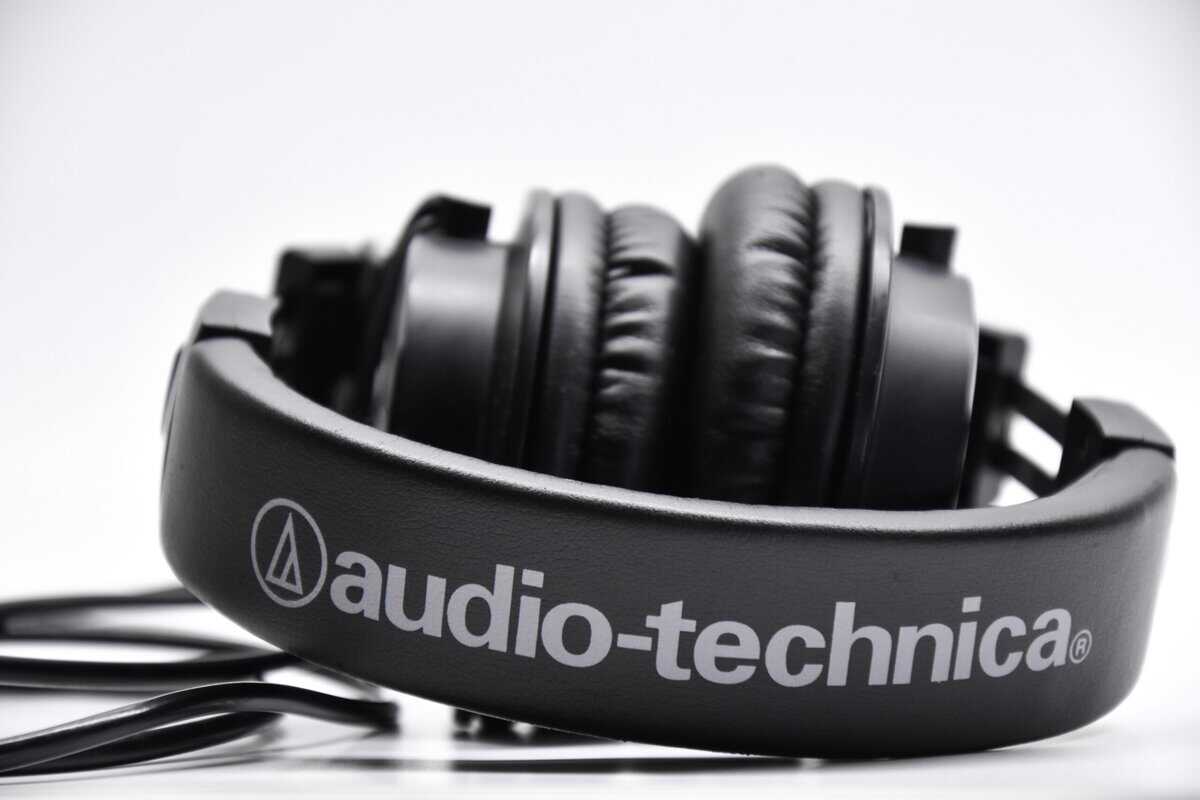
The biggest reason wired headsets built their reputation is simple. The sound gets to your ears faster because it doesn’t have to be encoded, transmitted, and decoded first.
That matters most when audio is gameplay information, not just background sound. In a competitive shooter, a footstep behind a wall, a reload on your flank, or a jump cue above you needs to arrive right when the game produces it. In an MMO or single-player RPG, a little delay is easier to live with because reaction timing usually isn’t as punishing.
Latency and connection type comparison
| Headset Type | Typical Latency | Primary Connection | Best For |
|---|---|---|---|
| Wired | near-zero, typically under 5 ms | 3.5 mm or USB | Competitive FPS, rhythm games, desk setups |
| 2.4 GHz wireless | about 10 ms in ideal conditions, commonly around 15 to 30 ms depending on implementation | USB wireless dongle | General gaming, couch play, cleaner setups |
| Bluetooth | roughly 50 to 100 ms in one source, and 100 to 300 ms in another typical range | Bluetooth | Casual media use, not competitive gaming |
Wired gaming headsets are described as “virtually zero” latency, while even premium 2.4 GHz wireless gaming headsets are quoted at about 10 ms under optimal conditions, and standard Bluetooth sits much higher at 100 to 300 ms in typical use according to this wired and wireless headset latency comparison.
Wired is still the benchmark
If you care about clean timing, wired remains the baseline. Not because wireless is unusable, but because wired removes an entire layer of processing from the chain. That’s why tournament-minded players still lean wired when they want the least room for delay, sync issues, or odd behavior.
For fast FPS play, this translates into confidence. You hear a cue and react. There’s no mental question about whether the headset added a small lag spike or whether the wireless environment got crowded.
A similar logic applies to rhythm games. Timing windows are tight, and consistency matters more than almost anything else.
A good wired headset doesn’t feel “fast.” It feels invisible. The sound just arrives when it should.
Wireless has changed a lot
Wireless deserves more credit than it used to get. Modern gaming-grade 2.4 GHz headsets aren’t the same category as old general-purpose wireless audio. They’ve improved enough that many players will find them close enough to wired for everyday gaming, especially outside high-level ranked play.
The key point is separating 2.4 GHz wireless from Bluetooth. People often lump them together, and that causes bad purchases. A decent 2.4 GHz dongle headset is built for gaming. Bluetooth usually isn’t.
If you want another peripheral example of that same trade-off between response time and convenience, this guide on wired vs wireless gaming mouse choices follows the same logic.
What the numbers actually mean in use
For different game types, the trade-off looks like this:
- Competitive FPS: Wired has the cleanest case. Audio cues are tactical information.
- MMO and RPG: Wireless makes more sense if you value comfort and freedom over absolute speed.
- Streaming and mixed use: Wireless helps keep your space cleaner and makes it easier to step away without pulling your headset off.
- Bluetooth-only gaming: Usually not the right pick if game audio timing matters.
The old answer was “wired for serious players, wireless for convenience.” The current answer is more specific. Wired is still best for the tightest response. Good 2.4 GHz wireless is good enough for a lot of players. Bluetooth is where gaming performance usually falls apart.
Practical Differences Beyond the Cable
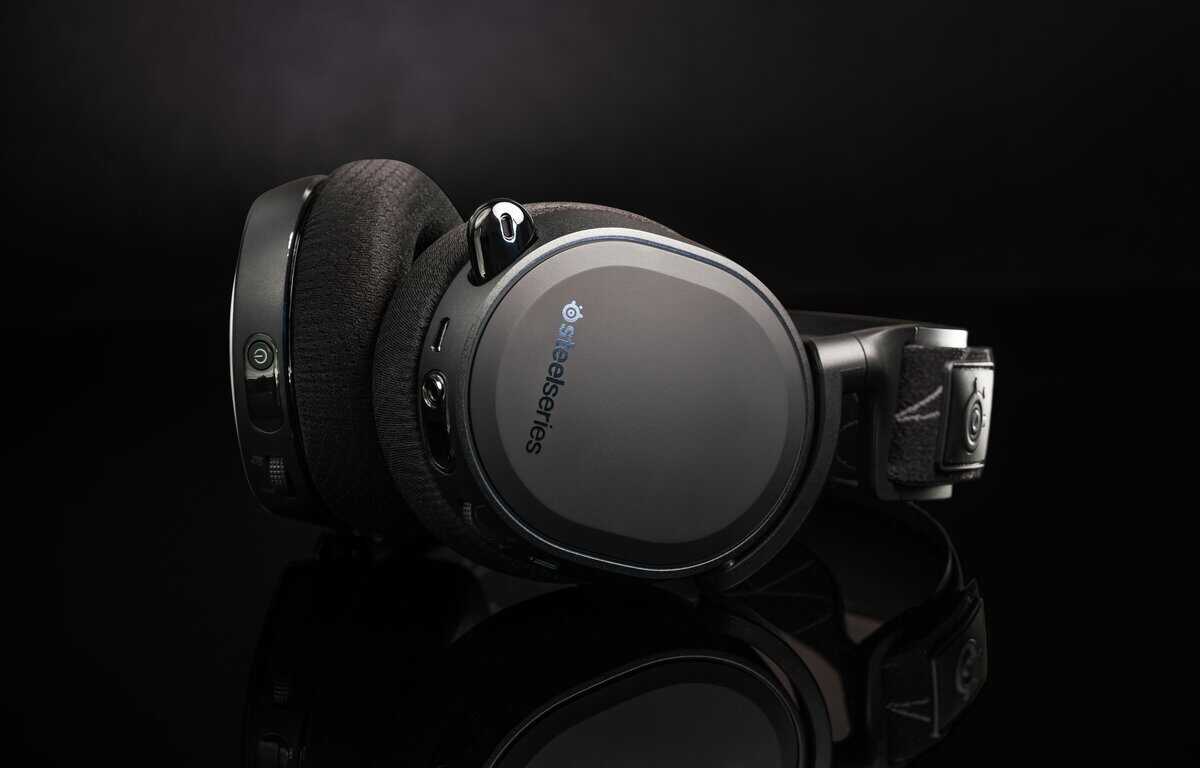
Once the headset is on your desk for six months, the argument changes. You stop thinking like a shopper and start thinking like an owner. That’s where build quality and day-to-day friction matter more than marketing copy.
Wired headsets usually win on simplicity. There’s no battery to manage, no pairing routine, and no charging cable to keep nearby. They deliver continuous performance without battery drain, pairing issues, or 2.4 GHz interference, which is why they’re often treated as the safer option for esports and long ranked sessions in this overview of gaming headset reliability and consistency.
Where wired headsets wear out
The weak point on most wired models is obvious. It’s the cable, then the strain near the connector, then the point where the cable enters the cup or control box.
A well-built wired headset can last a long time, but only if the cable design is decent and your setup doesn’t abuse it. If your chair rolls over cords, if you yank the plug out by the wire, or if the cable constantly twists under your desk, durability drops fast.
Look closely at these parts before buying:
- Connector reinforcement: A thin, loose plug housing is a warning sign.
- Cable thickness and flexibility: Too stiff and it fights you. Too thin and it often ages badly.
- Inline controls: Convenient, but also another failure point if they’re flimsy.
- Headband and hinge strength: A strong cable won’t save a weak frame.
Where wireless headsets wear out
Wireless headsets shift the durability problem from cable stress to power management. The battery is the wear item. Even if the shell, drivers, and microphone are still fine, battery aging can change the entire value equation.
That matters a lot for budget buyers. If a wireless headset has an aging battery and poor wired fallback, it can become annoying long before the speakers fail. That’s why I treat “can it still work over cable” as one of the most important questions, not a nice extra.
Ownership test: Ask what will break first. On wired, it’s usually the cable. On wireless, it’s often battery health or charging behavior.
Wireless models can also be heavier because they carry more hardware. Some players won’t care. Others notice it during longer MMO sessions, voice chat marathons, or all-evening console play.
Comfort, mobility, and setup reality
Wireless earns its higher price for some people because of this. If you stream, lean back often, switch between PC and console, or stand up during queue times, having no cable is incredibly useful. It also keeps your setup cleaner.
Wired makes more sense when your desk is fixed and your routine is fixed. Sit down, plug in, play, done. That’s boring in the best way.
If blocking room noise or keeping your focus matters as much as connection type, this guide to a good noise-cancelling headset for gaming and work helps narrow the comfort side of the decision.
Cost and Long-Term Value
Upfront price is only half the story. Budget buyers know that already, because the cheapest option often becomes the expensive one after a year of frustration.
Wired headsets are usually cheaper to buy and easier to keep running. That’s not just because they cost less at checkout. It’s because they avoid the extra complexity that can shorten useful life. No battery means one less major component that can age out.
Think in years, not launch day
A budget headset should still make sense after long-term use. That’s where total cost of ownership matters more than the sticker price.
Ask these questions before buying:
- Can it still function if one part ages badly?
- Does the wireless model offer a usable wired mode, or is the cable there only for charging?
- How hard will this headset be to live with after heavy weekly use?
- Is the frame built well enough that it can outlast the first obvious wear point?
For budget-focused buyers, the value decision is often clear. If the headset will be used mainly at a desk, wired usually gives the best performance-per-dollar, and battery lifespan on wireless models deserves close attention because a degraded battery can erase the convenience advantage, as noted in this guide to headset value and battery lifespan.
What smart value looks like
A good wired headset can be a better long-term purchase than a cheaper-looking wireless model, even if the wireless option seems more appealing on day one. Durability is value. Predictability is value. Being able to plug in and know it will work is value.
That doesn’t mean wireless is bad value. It means wireless needs to earn its higher cost through real use. If you play from the couch every night, move between devices, or hate cable drag enough that it affects how often you use the headset, then wireless can be worth paying for.
But if the headset lives at one desk, gets used mostly for shooters, and you tend to keep gear for years, wired is still the practical buy.
Recommended Headsets by Budget and Use Case
The safest way to recommend gaming headsets for value buyers is by use case, not by hype. A good pick should match the way you sit, play, talk, and keep your gear. Build quality matters as much as sound. A headset with decent audio and a sturdy frame is usually a smarter buy than one that tries to impress with extra features.
Best wired value picks
- HyperX Cloud II Wired
A classic value pick for a reason. It usually gets recommended because it does the basics well: comfortable fit, dependable wired connection, solid all-around sound, and a frame that tends to hold up better than many flimsy budget models. It’s a safe choice for FPS, general PC gaming, and players who want something proven. - SteelSeries Arctis Nova 1
This is a strong fit if you want a lighter-feeling wired headset with a cleaner everyday design. It suits mixed use well, especially if you bounce between gaming, voice chat, and casual media. The main appeal is balance rather than a single standout feature. - Razer BlackShark V2 X
A practical option for players who care about directional awareness and don’t want to overspend. It’s often a better fit for desk setups than for rough travel use, so I’d prioritize it for home use where the headset won’t be tossed around constantly.
Best wireless value picks
- SteelSeries Arctis Nova 5X Wireless
This is the type of headset that makes sense when you want freedom without dropping into Bluetooth-only territory. It fits console and PC players who want a cleaner setup, better movement, and gaming-focused wireless instead of convenience-first audio. - HyperX Cloud III S Wireless
A strong pick for long sessions if comfort is high on your list. This kind of headset makes sense for MMO players, general multiplayer, and anyone who values a stable fit during extended use. I’d still check whether its wired fallback suits your long-term needs. - Logitech G535 Lightspeed
Best suited to players who want straightforward wireless use without too much setup fuss. It works for couch gaming, casual competitive play, and streamers who want less cable clutter on camera.
Don’t buy a wireless headset just because wireless sounds premium. Buy it because your setup benefits from the freedom often enough to justify the trade-offs.
How to choose between these picks
Use this quick filter:
- Mainly competitive FPS at a desk: Start with a wired model.
- Long MMO sessions or mixed PC and console use: Wireless can be worth it if comfort and movement matter more.
- Streaming in a small setup: Wireless helps reduce visible cable clutter, but only if the battery and charging routine won’t annoy you.
- Tight budget, long ownership cycle: Prioritize a durable wired headset.
If you want more affordable shortlist options before narrowing to a final pick, this roundup of gaming headsets under $50 is a useful companion.
Who Should Buy Wired and Who Should Buy Wireless?
Some buyers don’t need more specs. They need someone to say, clearly, which side of the wired vs wireless gaming headset choice fits them.
For latency-sensitive gaming like competitive FPS or rhythm games, wired is still the safest choice, with latency under 5 ms, compared with 15 to 30 ms for even premium 2.4 GHz wireless headsets according to this gaming headset latency breakdown for fast-response play.
The competitive FPS player
Buy wired.
If you play shooters where sound is tactical information, the lowest-risk choice is still a cable. You want the most direct connection, the least chance of inconsistency, and no battery management in the middle of ranked sessions.
The MMO or RPG player
Usually buy wireless, unless long-term value is your top concern.
These players often spend hours in one session, but they don’t always need the fastest possible audio path. Comfort, freedom to shift around, and easy voice chat can matter more than shaving off every bit of delay.
The console couch player
Usually buy wireless.
A cable across a living room setup is awkward, and a headset that gives you room to move is more pleasant to use. Just make sure the headset’s long-term battery story makes sense for how long you keep accessories.
The streamer or content creator
Buy based on desk habits.
If you stay planted in one spot and care most about reliability, wired is still excellent. If you move around on camera, adjust gear often, or want a cleaner visual setup, wireless can be the more practical choice.
The parent buying for a kid or a teen
Usually buy wired unless there’s a clear reason not to.
A wired headset is simpler to manage, easier to understand, and less likely to become useless because someone forgot to charge it. For younger users, simple often means better value.
The student who needs one headset for everything
This is the closest call.
If the headset will be used for gaming, calls, videos, and maybe some travel, wireless has a strong case. If the headset mostly stays at a desk and needs to last, wired is still the smarter buy.
Myths and FAQs About Gaming Headsets
A few headset myths keep leading people into bad purchases. Here are the ones that matter most.
Is wireless audio always bad for gaming?
No. Good 2.4 GHz gaming headsets are much better than wireless gaming used to be. The problem is assuming that all wireless works the same. Bluetooth is still the weaker option for gaming.
Do wired headsets always sound better?
Not automatically. Sound tuning, driver quality, mic performance, and build still vary by model. Wired often gives better value for the money, but a bad wired headset is still a bad headset.
Can a wireless headset solve battery aging by using a cable?
Sometimes, but not always. That’s why this feature needs to be checked before buying. Some wireless headsets work well in wired mode. Others treat the cable as a limited backup rather than a true long-term fallback.
Are pro players always using wired?
For tournament-style reliability, wired still has a strong case. For practice, casual play, and streaming, some players are perfectly happy with good wireless gear.
Is Bluetooth fine if I don’t play ranked?
If you mainly play slower games and don’t care much about timing, it may be acceptable. If you play shooters, rhythm games, or anything where sound cues affect reaction, Bluetooth is usually the wrong choice.
Does headset mic quality matter as much as the connection type?
For a lot of people, yes. A stable connection doesn’t help much if your mic sounds bad in party chat or on stream. If your voice setup needs work too, this guide on reducing background noise on a mic is worth reading.
Related Articles