Most PS5 vs Xbox Series X advice still gets stuck on the wrong question. People argue over teraflops, exclusives, and launch-era talking points as if you’re buying a spec sheet instead of a machine you’ll live with for years.
That misses how console ownership works in 2026. The expensive part usually isn’t the box under the TV. It’s the library you build, the controller you replace, the storage you add, the subscription you keep paying for, and the accessories you end up buying because your play habits changed.
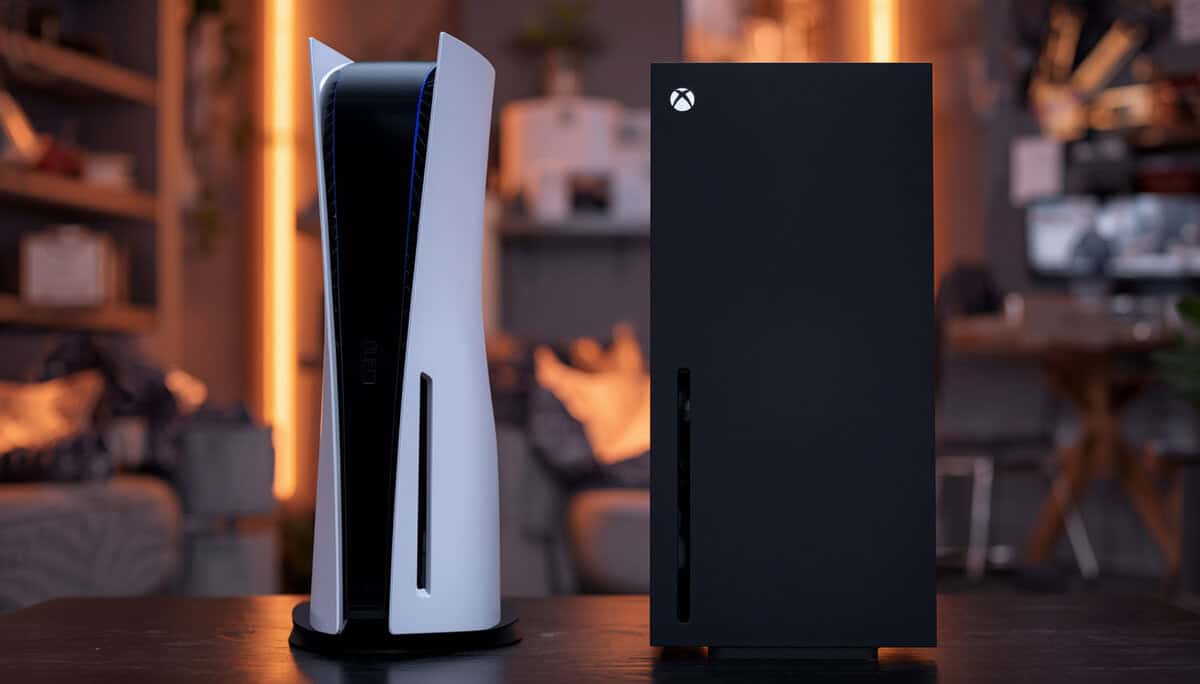
If you’re budget-conscious, that doesn’t mean buying the absolute cheapest option. It means avoiding the purchase that becomes expensive later. That’s where these two consoles separate. One has stronger raw graphics hardware and a deeper backward-compatible library. The other has stronger market momentum, faster internal storage behavior in the right scenarios, and a larger install base that can make long-term ownership easier.
- Raw specs favor Xbox Series X on paper, but real-world game optimization usually erases most of the gap in multi-platform titles.
- Ecosystem lock-in (subscriptions, game library, friends) matters more than any spec difference for long-term value.
- Game Pass gives Xbox the lower long-term software cost if you play a lot of new games each year; PS5 wins if you mainly buy a few big titles.
- PS5 wins on exclusives and the DualSense experience; Xbox Series X wins on storage flexibility, backward compatibility, and Game Pass.
Table of Contents
The Console War Is Over The Wrong Things
The loudest PS5 vs Xbox Series X arguments still fixate on specs and exclusives. That is useful for launch-week debates, but it is a weak way to buy a console in 2026. The better question is simple: which box will cost you less money and less annoyance over five years?
Across both platforms, the pattern is clear. The upfront price matters less than the chain of follow-up purchases. A second controller, a charging solution, expanded storage, a headset that works the way you want, and a subscription you keep paying for will shape the final bill far more than a launch-day spec comparison.
That is why total ownership friction is the right frame. Which ecosystem makes your existing library more useful? Which one keeps accessory costs under control? Which one gives you better odds that the games, services, and add-ons you buy this year will still feel like smart purchases in year four or five?
PS5 has stronger market pull and broader mainstream momentum. Xbox Series X has a friendlier story for players who care about backward compatibility, cross-device play, and getting more value from older purchases. Those are different kinds of savings. One lowers friction through install base and third-party attention. The other can lower long-term software spend if you already own Xbox games or plan to use Game Pass heavily.
Accessories are where a lot of buyers misjudge the budget. If you already know you’ll add extras, a guide to PS5 accessories that improve everyday use is more helpful than another recycled argument about teraflops.
Practical rule: Price the console, one extra controller, the storage plan you will probably need, and at least two years of subscriptions before you pick a side.
The smarter buy is not the machine with the cleaner marketing pitch. It is the one that keeps your total cost of ownership under control without forcing compromises you will notice every week.
Raw Power vs Real-World Speed
Specs matter after you know what kind of bottleneck will annoy you for the next five years. In 2026, the PS5 vs Xbox Series X debate is less about who wins a spec sheet and more about which machine feels faster in the games and setup you use every week.
PS5 vs Xbox Series X spec breakdown
The basic split is straightforward. Xbox Series X carries more raw graphics and CPU headroom. PS5 has the much faster internal storage architecture.
| Specification | PlayStation 5 | Xbox Series X | What This Means For You |
|---|---|---|---|
| GPU power | 10.28 TFLOPS, 36 compute units @ 2.23GHz | 12 TFLOPS, 52 compute units @ 1.825GHz | Xbox has more graphics headroom on paper, which can help in demanding multi-platform games |
| CPU | 8-core Zen 2 @ 3.5GHz | 8-core Zen 2 @ 3.8GHz | Xbox has a small CPU advantage, but game optimization usually matters more |
| Memory bandwidth | 16GB at 448GB/s | 10GB at 560GB/s, 6GB at 336GB/s | Xbox has a faster memory pool for part of its RAM setup, though gains depend on the game engine |
| Internal storage speed | Custom SSD at 5.5GB/s raw read | 1TB NVMe at 2.4GB/s | PS5 moves game data faster, which helps with loading and asset streaming |
| Storage capacity | 825GB SSD, 1TB on Slim | 1TB NVMe | Xbox gives you more room out of the box, while PS5 prioritizes throughput |
What Hi-Fi’s PS5 vs Xbox Series X comparison lays out that hardware split clearly. Xbox Series X offers the stronger compute numbers, while PS5 pushes much higher raw SSD throughput.
What you actually feel in games
On a TV across the room, both systems still deliver broadly similar results in many cross-platform games. The difference usually shows up at the margins. One version may hold performance mode more consistently. Another may load faster, swap between areas faster, or recover from fast travel with less delay.
Put plainly, teraflops are a weak predictor of day-to-day satisfaction.
Xbox Series X is usually the safer bet if you care most about brute-force multi-platform performance. In games that push resolution, ray tracing, or higher frame-rate modes hard, the extra GPU headroom can help. It does not guarantee the better version every time, but it gives developers more room.
PS5 feels faster in a different way. Its SSD setup helps in games built around rapid asset streaming, quick traversal, and aggressive fast travel systems. You notice that less in a match-based shooter you boot once and play all night. You notice it more if you bounce between large single-player games and get irritated by every extra wait screen.
That difference is real, but it is also easy to oversell. Loading wins sound impressive in marketing. Over a five-year ownership span, they matter most to players who switch games often or spend a lot of time in huge open worlds.
What matters in 2026 and what doesn’t
Some hardware talking points aged well. Some did not.
What still matters:
- Frame-rate stability in the specific games you play. A small advantage on paper means little if your preferred titles perform the same.
- Storage speed and storage capacity together. Fast storage improves responsiveness, but a fuller drive creates friction if you juggle big installs.
- Display pairing. A capable screen changes what you can see and feel. A monitor for Xbox Series X that supports high refresh gaming can reveal more benefit than a minor console spec gap by itself.
- Noise, heat, and long-session consistency. That matters more than benchmark bragging if the console sits in a living room, bedroom, or streaming setup.
What matters far less than buyers were told:
- 8K messaging. Neither console is a serious 8K buying argument.
- Tiny benchmark swings. A minor win in one technical test does not justify higher long-term costs elsewhere.
- Spec sheet victories detached from software support. Hardware only helps if developers use it well.
Build quality and long-session use
Xbox Series X is the cleaner physical design. It is compact, understated, easy to place, and still one of the best console form factors for airflow and low fuss setup. PS5 is larger, more awkward on a media stand, and less discreet, but the fast storage design does contribute to why the system often feels snappy in actual use.
Neither console feels underpowered in 2026. The smarter question is narrower. Do you want Xbox’s extra graphics margin, or PS5’s faster-feeling storage behavior?
For budget-focused buyers, that answer has to include the cost of living with the hardware. A slightly better frame-rate ceiling or a shorter load screen only matters if the rest of the ownership bill still makes sense.
Evaluating The Ecosystem Cost Games and Subscriptions
The console is the entry ticket. The ecosystem decides whether ownership stays reasonable or starts bleeding money in small monthly cuts.
Backward compatibility is a budget feature
This is the part too many ps5 vs xbox series x guides treat like a side note. It isn’t one. For a value-focused buyer, backward compatibility changes the cost of building a library.
Xbox Series X can play games from the original Xbox, Xbox 360, and Xbox One, while PS5 only supports PS4 games. That matters because budget-conscious players rarely buy a console and stop at five new releases. They build a backlog, revisit older favorites, and look for used physical copies that still hold up.
With Xbox, that pool is wider. It gives you more ways to play without chasing current-generation pricing or waiting for a specific sale cycle. If you’ve owned previous Xbox systems, the value argument gets stronger because your old purchases stay relevant.
Subscription value depends on how you play
A subscription can save money. It can also become a standing charge that subtly exceeds the value you use.
The right way to judge it isn’t “Which service has more buzz?” It’s this:
- Do you finish games quickly or slowly?
- Do you replay older titles?
- Do you like owning a permanent library, or are you fine renting access to a rotating catalog?
- Do you play across generations, or only current releases?
For players who sample broadly, bounce between genres, and don’t mind that a catalog can change, Xbox’s ecosystem has the cleaner value story because backward compatibility and subscription access work in the same direction. The platform encourages library breadth.
For players who buy fewer games and stay with them longer, the monthly service question gets harder. If you spend months in a single MMO, a sports title, or one comfort game, paying constantly for access to a huge catalog can stop making sense. In that case, the subscription is only a deal if you’re actively using it.
A subscription is good value only when it matches your behavior. If you keep paying while replaying the same two games, you’re not saving money. You’re financing options you don’t use.
Three common buyer profiles
The library builder
This player wants the biggest possible shelf of playable games over time. They buy used discs, revisit older series, and don’t care whether a game launched last month or ten years ago.
Xbox Series X is the better fit here. The broader backward-compatible catalog gives you more room to buy selectively and stretch each purchase. That’s a direct long-term value edge, not just a nostalgia perk.
The selective buyer
This player buys fewer games, usually knows what they want, and doesn’t feel pressure to touch everything in a catalog. They care more about finishing good games than maximizing quantity.
For this buyer, either platform can work. Subscription value matters less than software preference and how often they’d use the service. The cheaper path is often to skip continuous subscription spending and buy carefully.
The household account
This is the parent, sibling group, or shared setup where different people want different genres. One person wants shooters, one wants sports, one wants a co-op game, and someone else wants older titles.
Xbox has a practical edge because its compatibility breadth gives the household more low-friction options. A family trying to keep everyone busy gets more mileage from a platform that reaches back across more generations.
What doesn’t work for budget buyers
Some buying habits look cheap at first and cost more later.
- Chasing every new release at launch: Neither ecosystem makes this sensible unless you know you’ll play immediately.
- Paying for the highest subscription tier by default: You should earn that upgrade through actual use.
- Ignoring your old library: If you already own legacy Xbox games, walking away from that value has a real cost.
- Treating quantity as value: A larger catalog isn’t useful if you only ever play a small handful of games.
Sony’s approach can still be the better fit if the games you care about most live there. But from a pure ownership-cost angle, Xbox’s backward compatibility is one of the strongest arguments in the whole comparison. It reduces rebuy pressure and expands your affordable options without asking you to think like a collector.
Hidden Costs Controllers Accessories and Upgrades
The expensive mistakes usually start after the console is already in your home. That’s when hidden costs show up.
Controller durability matters more than controller features
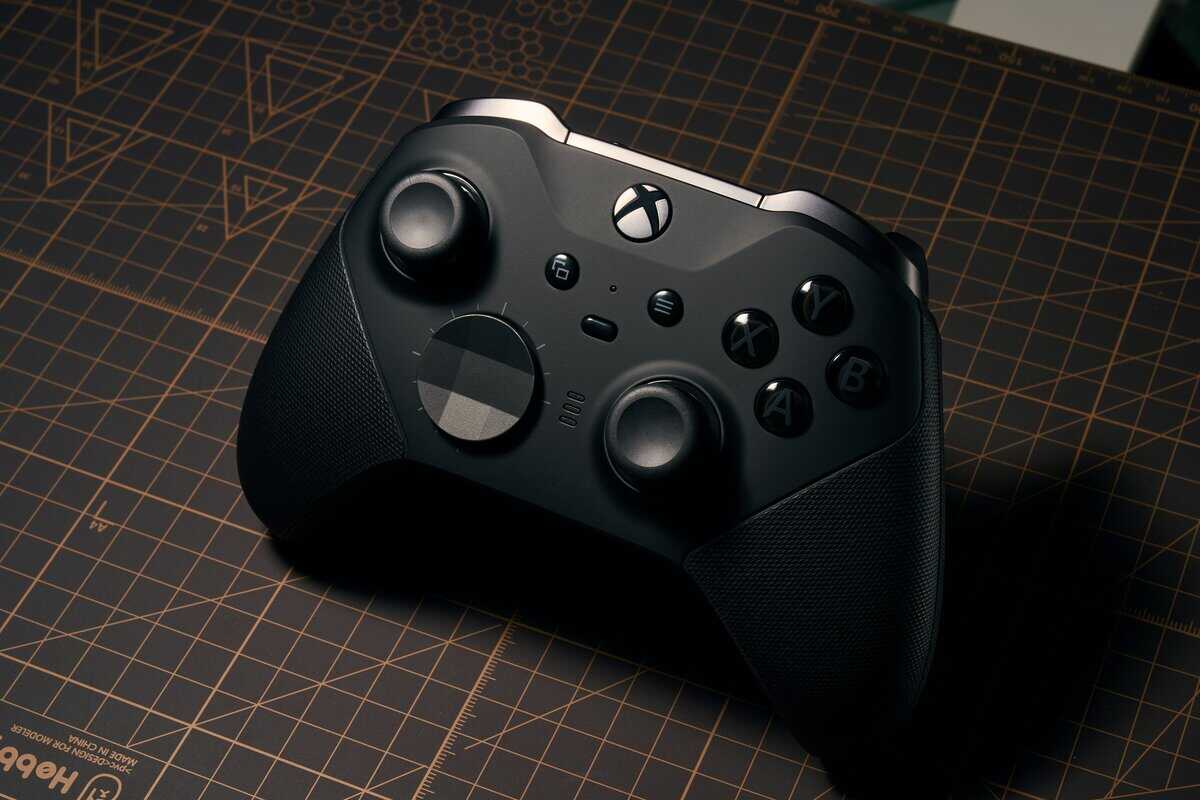
DualSense is the more ambitious controller. The haptics and adaptive triggers can add real texture in games that use them well. But feature density also creates more things that can go wrong.
TechWeWant’s comparison notes that the PS5 DualSense may face higher long-term costs because its more complex internal systems can fail earlier than the more traditional Xbox controller. That’s exactly the sort of issue budget buyers should care about. A controller isn’t just a launch-day accessory. It’s a wear item.
Xbox’s standard controller is less flashy, but that’s part of its value case. It’s familiar, simpler, and often easier to live with for long stretches. For players who put hundreds of hours into shooters, MMOs, or anything that turns thumbsticks and triggers into consumables, durability beats novelty.
Accessory buying gets expensive fast
A lot of buyers underrate how quickly “just a few extras” becomes a real cost. A second controller, a charging solution, a headset, extra storage, a stand, maybe a media remote, and suddenly the console decision isn’t the main expense anymore.
What works:
- Buy accessories around your actual playstyle: Streamers need different gear than couch co-op households.
- Stick with proven essentials first: A dependable headset and extra storage usually matter more than premium cosmetic add-ons.
- Keep your setup organized: Better airflow and easier access reduce wear on ports, cables, and docks. A practical guide to optimizing your gaming desk with cable management is worth reading if your console shares space with a monitor, capture card, chargers, and audio gear.
What doesn’t:
- Buying feature-heavy accessories before you know you’ll use them
- Assuming all third-party controllers deliver the same experience
- Treating clutter as harmless, especially in streamer setups where heat, cable strain, and constant plugging in are normal
Storage upgrades and long-term convenience
Storage pain hits both platforms eventually. Modern games are large enough that “I’ll deal with it later” stops working.
PS5’s internal SSD speed helps daily use, but expanded storage planning still matters. Xbox’s storage path is straightforward from a user experience standpoint, and if you’re weighing that route, a focused guide to Xbox Series X storage expansion options is a good place to start before you buy anything.
One practical difference here is flexibility versus simplicity. Some players prefer the cleaner plug-and-play feel of an official-style expansion path. Others care more about having broader upgrade choices and tailoring storage around how many large titles they keep installed at once. The right answer depends on whether you’re a “one live-service game and two single-player games” person or the type who keeps a rotating wall of installs.
A quick video breakdown helps if you’re planning a full setup, not just a console purchase:
Buy the console for the games. Judge the ecosystem by the replacement parts.
Build quality and day-to-day wear
PS5’s controller ecosystem is the one I’d describe as higher upside and higher maintenance risk. Xbox feels more conservative, but that’s often what saves money over time. For families, heavy FPS players, and anyone who doesn’t want to baby their gear, that’s a serious advantage.
As physical hardware, both consoles are sturdy enough for long-term use if they have proper ventilation and aren’t constantly moved around. The weak points usually aren’t the boxes themselves. They’re the accessories you touch every day.
Which Console Fits How You Play
Specs matter less once you match the console to the way you play. The better buy usually comes down to where the friction shows up over five years. Load times, controller wear, subscription value, storage pressure, and who else in the house is using the system all matter more than another round of teraflop arguments.
For the competitive FPS player
Multiplayer players usually care about four things. Stable frame rates, low input friction, a good controller, and a large active player base.
PS5 has a practical advantage if your friend group, local scene, or preferred voice chat habits already orbit PlayStation. As noted earlier, Sony’s larger installed base gives it a stronger position for keeping lobbies active and making accessories easier to find new or used. That affects long-term cost more than people admit. Replacing a headset, grabbing a cheap second controller, or finding a used copy of a yearly shooter is often easier on the platform with the bigger footprint.
Xbox Series X still performs well for shooters. In some cross-platform titles, it trades blows cleanly with PS5. A key question is whether Xbox’s ecosystem saves you money through Game Pass and backward compatibility, or whether PlayStation saves you hassle because that’s where your squad already is. For a competitive player, convenience is performance.
For the open-world and RPG player
Single-player players feel time differently. If you spend your nights in Elden Ring, Cyberpunk 2077, Final Fantasy, or a 100-hour Ubisoft map, small delays add up.
PS5 often feels snappier in day-to-day use, especially in games built to take advantage of its fast storage pipeline. Fast travel, resume points, and asset streaming can feel a bit cleaner. That does not mean Series X feels slow. It means PS5 more often gives you the shorter path back into the game.
Xbox has a better argument if your RPG taste stretches backward. If you replay older Bethesda, BioWare, or Xbox-era catalog titles, Series X gives you more ways to keep that library useful without rebuying everything. That is a real five-year value advantage for players who replay games instead of finishing them once and moving on.
For the streamer and content hobbyist
Streaming exposes every extra expense. One controller is never enough. Storage fills faster. A capture setup turns small platform differences into recurring costs.
Xbox makes sense for creators who want broad library access, especially if older titles are part of the content mix. Game Pass can reduce the cost of trying new games for filler streams, challenge runs, or variety nights. That matters more for a small creator than a spec sheet ever will.
PS5 makes more sense if your content strategy follows current releases and mainstream audience demand. The larger PlayStation audience can help if you’re posting guides, trophy content, or coverage around big single-player launches. It also helps that third-party accessories are easy to find.
Before you pick a console for streaming, price out the full setup:
- second controller
- charging solution or batteries
- extra storage
- headset replacement cost
- capture workflow for the games you plan to stream
That list usually decides the winner.
For the family or mixed-use household
A shared console lives or dies on cost control. The problem is rarely raw performance. The problem is how many games people want at once, how rough they are on controllers, and whether parents want to keep monthly spending predictable.
PS5 is the safer choice for households that want the mainstream platform with the broadest social pull. Kids are more likely to ask for the console their friends have. That lowers friction around multiplayer, game swapping, and gift buying.
Xbox Series X has a stronger case for budget discipline. If a family uses Game Pass, the value can be excellent. If they do not, that advantage disappears fast. For some homes, it cuts software spending. For others, it becomes another monthly charge sitting next to three barely played games.
A simple rule works well here:
- Choose PS5 if the household wants the most popular current-gen ecosystem and the least guesswork around social play.
- Choose Xbox Series X if the household will actively use subscription access and older game support to keep software costs down.
For the player who buys one console and keeps it for years
This buyer should ignore marketing promises and focus on ownership risk. Which system will cost less to live with, not just less to buy?
PS5 is the lower-risk pick if you want the platform with stronger momentum, easier resale, and fewer questions about long-term third-party support. Xbox Series X is the smarter pick if you care more about preserving access to older purchases and reducing software costs over time.
That is the primary split. PS5 usually wins on ecosystem confidence. Xbox often wins on library economics.
Pick based on the expenses you will feel in year three, not the specs you will forget in week two.
The 2026 Verdict Which Console Is The Smarter Buy
The strongest answer is also the least dramatic one. There isn’t a universal winner. There is a smarter buy for the kind of gamer you are.
Buy PS5 if you want the safer ecosystem bet
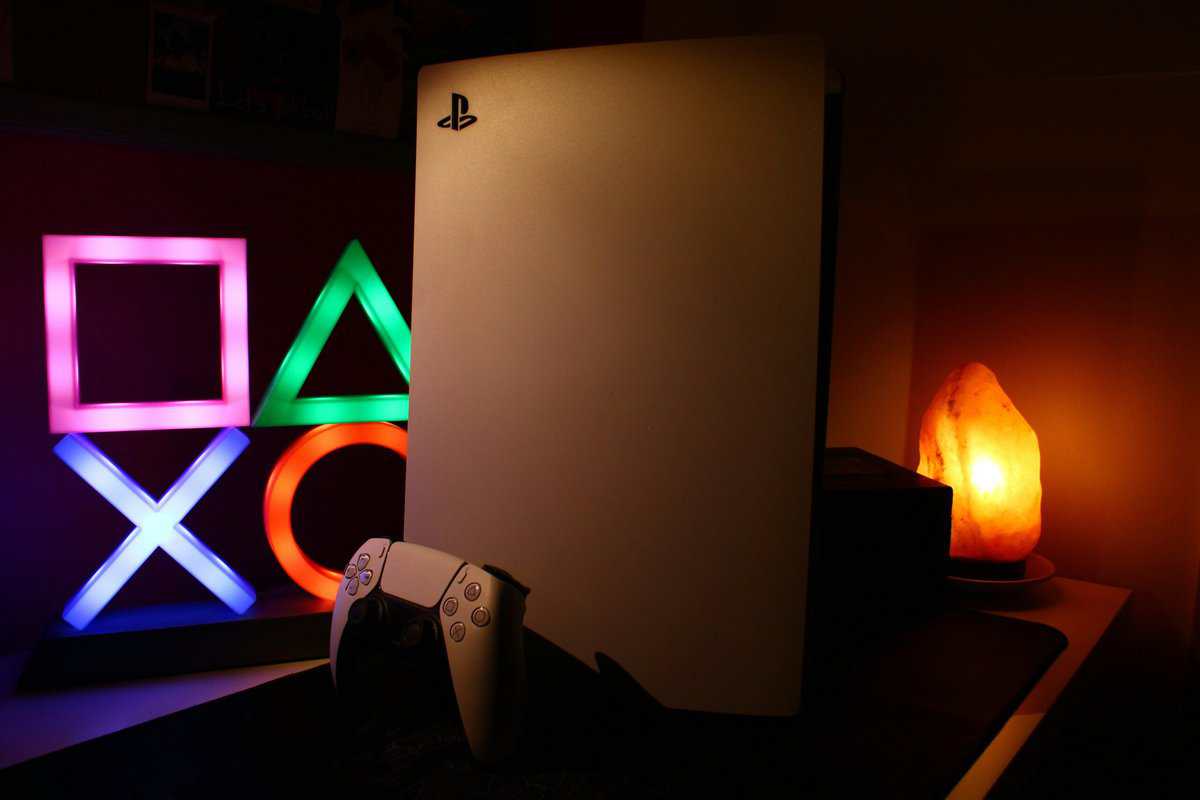
PS5 has the stronger market position, and that matters for long-term value. It has sold far more consoles than Xbox this generation, and the lead keeps widening. For a value-minded buyer, that suggests stronger long-term developer support and platform stability.
That broader momentum has knock-on effects. Accessory choice tends to be easier. Used-game availability is healthier. Multiplayer communities are more likely to stay busy. If you want the console that feels like the least risky long-haul purchase, PS5 has the cleaner argument.
Buy Xbox Series X if you care most about software value
Xbox Series X remains the better value play for buyers who think in libraries, not headlines. Its biggest win isn’t a benchmark chart. It’s the ability to pull from more generations of games and reduce the need to rebuy older titles in a new ecosystem.
That’s especially useful for players who:
- already own older Xbox games
- buy used physical media regularly
- rotate across genres instead of chasing one or two flagship exclusives
- want the most flexibility from one machine over a long period
The honest split
If a friend asked me for the simplest practical recommendation, I’d put it this way:
- Choose PS5 if you want the platform with stronger sales momentum, the bigger mainstream footprint, faster-feeling storage behavior, and fewer doubts about long-term ecosystem support.
- Choose Xbox Series X if you want the platform that can save money through backward compatibility, offers stronger raw hardware on paper, and makes the most sense for a player building a library across generations.
The bad recommendation is pretending these are the same kind of value. They aren’t.
PS5 is the better value if your definition of value is ecosystem stability, larger player presence, and lower long-term platform risk.
Xbox Series X is the better value if your definition of value is library depth, backward-compatible flexibility, and getting more playable history from one purchase.
That’s the ps5 vs xbox series x verdict in 2026. Pick the machine that matches the costs you’ll face, not the argument you enjoyed reading online.
Leaning toward PlayStation? Our PS5 Pro vs PS5 comparison covers whether the upgrade is worth it.
Frequently Asked Questions
Which console has better build quality?
The Xbox Series X feels more utilitarian and physically easier to place. Its design is compact, simple, and less fussy in daily use. The PS5 is also well built, but the shell is larger and more awkward in tighter setups. For controller durability, Xbox has the safer reputation because DualSense includes more complex hardware that can become a long-term cost point.
Is the PS5 Digital Edition or Xbox Series S a better value?
That depends on your buying habits. A digital-only console makes more sense if you are committed to online purchases and do not care about used discs. If you rely on physical games to control long-term spending, a disc-capable system usually gives you more flexibility. For buyers focused on total cost of ownership rather than lowest entry price, giving up access to the used market can be a bad trade.
Which console is better for a quieter shared setup or streaming corner?
Neither is a deal-breaker for a living room or bedroom setup if you keep it ventilated and clean. In practice, setup quality matters a lot. Dust, cramped shelving, cable clutter, and blocked airflow create more noise problems than brand choice alone. If you are building around a monitor, capture gear, headset stand, and charging docks, keep the area tidy and give the console open breathing room.
Which one should parents buy for kids or teens?
Start with the game library and the friend group. The better console on paper can still be the wrong purchase if a kid’s friends all play elsewhere. After that, think about controller durability and whether physical used games are part of how you will manage spending. Families that expect rougher handling often prefer the Xbox controller build, while PS5 exclusives may be the deciding factor for single-player-heavy kids.
Budget matters most after the console leaves the box. If you want practical, hype-free advice on peripherals, streaming gear, accessories, and smart upgrades, visit Budget Loadout. It’s built for gamers who want better value, better durability, and fewer purchases they regret.
Related Articles