Most advice on a racing gaming chair gets the main point backwards. People talk about looks first, then padding, then recline angle, and only later ask whether the chair properly supports a human body for long sessions. That’s the wrong order.
A racing-style chair can be a good buy. The cheap knockoffs are what give the category its bad rap: flashy side bolsters, weak padding, and just enough adjustment to sound ergonomic on a product page. A well-built racing chair avoids all of that. If you’re buying for FPS grinding, MMO marathons, or long streaming days, style alone won’t save your back or your wallet.
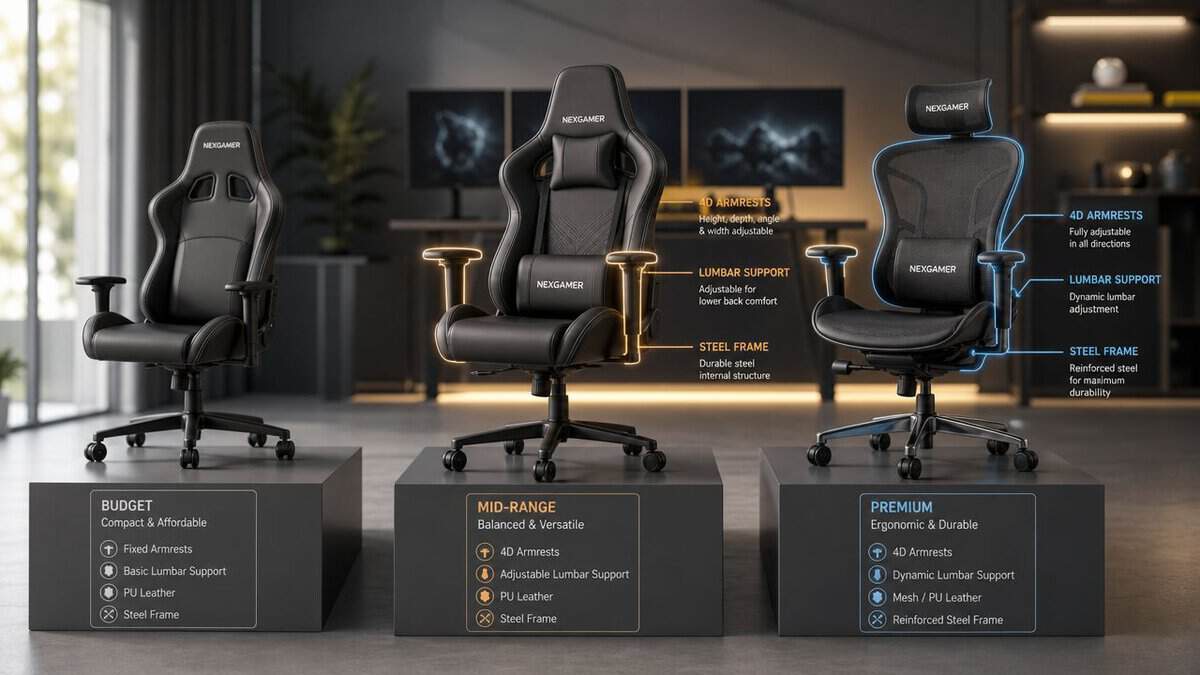
The good news: the category is deep enough that every budget tier has at least one genuinely well-built option. This guide is about finding those chairs and skipping the rest.
- Retractable footrest for kicking back between matches
- High back with included headrest and lumbar pillows
- Metal base, padded armrests and 360 swivel
- PU faux leather runs warm during long summer sessions
- Lumbar support is a pillow, not built in
- Entry-tier build suits shorter sessions best
- Cold-cure foam holds its shape far longer than budget padding
- Stable recline and tilt controls that hold position
- Sold direct by a racing-chair specialist with US support
- Costs meaningfully more than entry racing chairs
- Racing bolsters may feel snug for broader builds
- Ships direct, so delivery can take longer than Prime
- Genuine esports pedigree, used by pro teams at majors
- 4D armrests and adjustable lumbar cover long sessions
- High-density foam built for daily multi-hour use
- Premium spend only pays off for heavy daily use
- Leatherette runs warmer than fabric or mesh seats
- Ships direct from Blacklyte rather than Prime
- The GTPLAYER Gaming Chair covers casual play: the basics done right at an entry price, plus a retractable footrest for breaks
- The E-WIN Knight Series is the mid-range workhorse, with cold-cure foam and desk-friendly armrests for game-plus-work days
- The Blacklyte Athena Pro is the esports-grade pick, with 4D armrests and the same lineup pro teams compete in
- Steel frame, quality foam, and a stable tilt mechanism matter more than any styling detail
- If deep ergonomic tuning matters more than the racing look, an ergonomic office chair is the better tool
Table of Contents
Is a Racing Gaming Chair a Good Choice
Yes, if you buy on build quality instead of looks alone.
The common claim is that a racing gaming chair is automatically better for gaming because it looks like a performance seat. That logic falls apart fast. Actual comfort comes from fit, support, and adjustability, not from shoulder wings and contrast stitching.
Research on gaming chair ergonomics points to a problem most buying guides gloss over: the gap between racing aesthetics and real ergonomic adjustability. The same analysis argues that adjustability is the single most important factor for physical health and pain minimization, yet many racing chairs don’t offer the range of movement or firmness tuning you get from a good ergonomic seat, as discussed in this review of whether gaming chairs help.
What the racing look gets right
A racing-style chair can work well if you want:
- A more locked-in posture for mouse-and-keyboard play
- A tall backrest for full upper-body contact
- A firm seat base that doesn’t collapse quickly
- A cleaner streamer setup look than a plain office chair
That setup can feel good for shorter competitive sessions, especially if you sit fairly upright and don’t shift around much.
What cheap racing chairs get wrong
The problem lives at the bottom of the market, where cheap shells confuse “supportive” with “restrictive.”
Bucket edges, shoulder flares, and narrow seat shapes can push your body into one posture instead of supporting several healthy ones. If you’re already dealing with slouching or stiffness, it’s worth understanding the impacts of poor spinal alignment before you buy something that limits how you sit.
Practical rule: If a chair looks aggressive but gives you limited lumbar adjustment, fixed armrests, or a seat that squeezes your thighs, it isn’t built for long-term comfort. It’s built for screenshots.
For many gamers, the smarter question isn’t “Is a racing chair good?” It’s “Is this racing chair more adjustable than the office chair I could buy for the same money?” If you want a side-by-side way to think about that trade-off, this breakdown of gaming chair vs office chair is a useful gut check.
What the Racing Design Actually Does
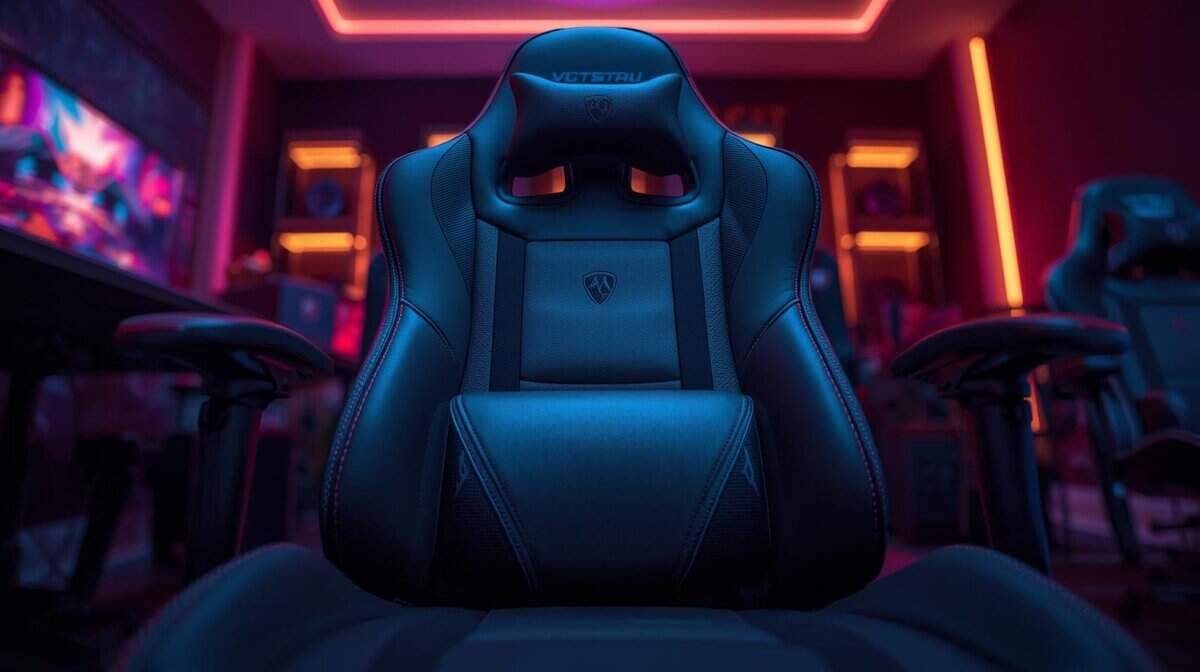
A racing gaming chair borrows visual cues from motorsport seats, but gaming happens in a stationary setup. That’s why some features help and some are just theater.
Bucket seat shape
The bucket seat is the signature element. In a race car, that design helps keep the driver planted during hard cornering. At a desk, you’re not fighting lateral forces. You’re trying to stay comfortable while your shoulders, hips, and knees stay in neutral positions.
If the bucket is too narrow, the side bolsters press into your thighs and limit movement. That’s bad for anyone who shifts posture during long MMO sessions or leans slightly off-center while chatting, looting, or alt-tabbing.
Shoulder wings and high backs
The high back is usually fine. It gives more contact across the spine and supports taller users better than low-back task chairs.
The shoulder wings are more questionable. They look “racing,” but they can interfere with natural shoulder position, especially if you play low-sensitivity FPS and need free elbow and shoulder movement. A broad-shouldered player can end up fighting the chair instead of resting in it.
A chair should support movement, not punish it.
Harness cutouts and styling details
Those cutouts near the headrest come from actual harness routing. In a gaming room, they’re mostly cosmetic unless you’re building a sim rig with matching accessories. For a standard desk setup, they don’t improve comfort, stability, or durability.
The same goes for a lot of visual extras. Sharp panel lines, stitched logos, glossy side shells, and oversized pillows can make a chair feel premium in photos while doing nothing for posture.
The useful parts of the design
Some racing-style elements do translate well:
- Tall seat backs can support relaxed recline during controller play
- Firm side structure can help upright posture if the seat isn’t too tight
- Dense foam can feel stable for competitive sessions
- Integrated head support can be handy during breaks or streams
But even good design ages poorly if the internals are weak. Foam quality, frame material, and mechanism quality matter more than silhouette.
If you’ve got an older chair and want to understand what can and can’t be improved with add-on support, Meliusly’s guide to restoring furniture comfort gives useful context. It won’t turn a bad frame into a good chair, but it does show where support fixes help and where they don’t.
For desk setups, the chair never works alone. Seat height, armrest height, and elbow angle only make sense relative to the desk, so your gaming desk setup matters almost as much as the chair itself.
Key Features That Determine Value and Durability
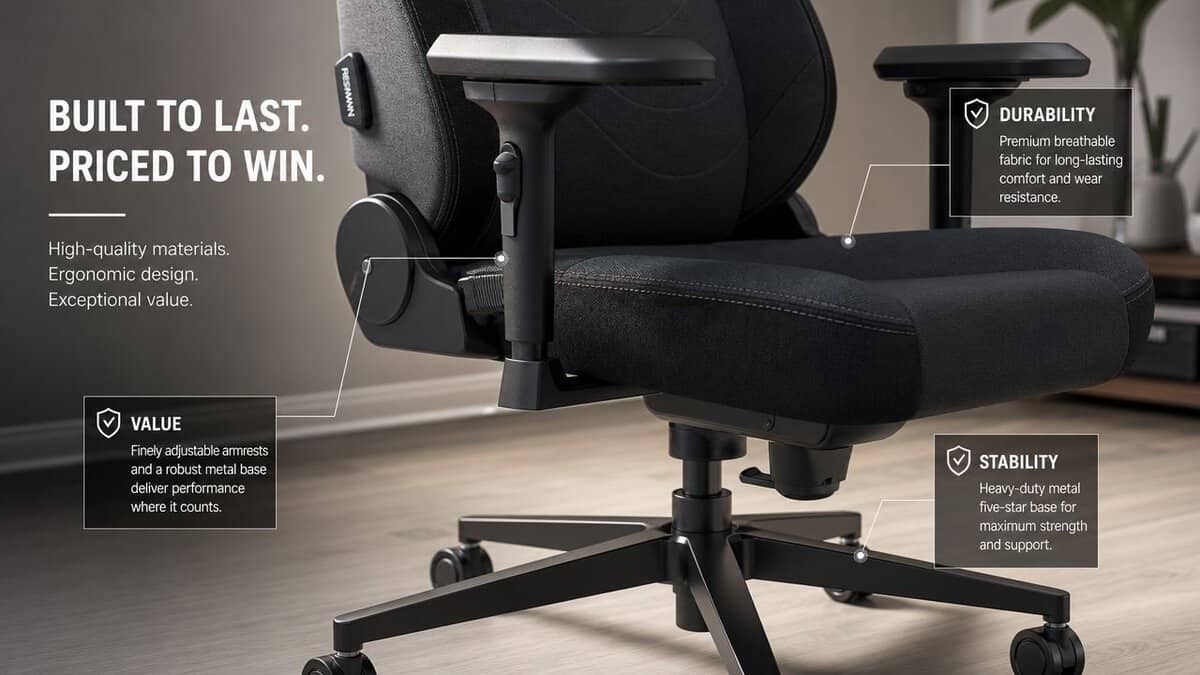
A racing gaming chair earns its price in the hidden parts, not the styling. The seat can look aggressive, the side wings can look “supportive,” and the stitching can look expensive, but none of that matters if the frame flexes, the foam collapses, or the armrests wobble after six months.
That is the ergonomic truth behind this category. Long-term comfort comes from structure, fit, and adjustment. The racing look is secondary.
Frame and base quality
Start underneath the upholstery. A weak frame ruins everything fast. You feel it when the chair creaks during a lean, shifts during a recline, or develops side-to-side play at the base.
A technical durability breakdown of gaming chair construction found a clear difference between cheaper and higher-priced builds, especially for heavier users. In practice, that matches what I’ve seen. Once body weight and daily use go up, bad frames get noisy and loose much sooner.
Look for these basics:
- Steel frame: Holds shape better over time than cheaper mixed construction
- Stable base: Reduces wobble during recline, desk adjustments, and long sessions
- Solid tilt mechanism: Feels planted instead of loose or jerky
- Weight rating that matches reality: Buy for your size, not the marketing photo
Budget chairs can still get this part right. One gaming chair roundup mentioning the GT099 notes a 330-pound weight capacity on that model. That does not guarantee comfort, but it shows why buyers should check the support hardware before getting distracted by surface features.
Foam, upholstery, and armrests
Foam decides how the chair feels after the first hour, not the first five minutes. Soft foam often wins the first impression test and loses the long-session test. Denser foam can feel firmer on day one, but it usually keeps its shape better and prevents that sagging, hammock-like seat that throws your hips out of position.
Upholstery matters for comfort too, especially if you play in a warm room. PU leather is easy to wipe down and fits the racing aesthetic, but it tends to trap more heat than fabric or mesh-style surfaces. If you sweat easily, the cool-looking finish can become the part you hate most.
Armrests deserve more attention than they get. Cheap 2D or loose 3D arms are a common failure point, and they affect posture more than buyers expect. If the arms sit too high, your shoulders stay shrugged. If they sit too wide, your elbows drift out and your wrists do more work. For keyboard and mouse play, good arm adjustment protects comfort better than a neck pillow ever will. Buyers who want a healthier benchmark should compare features against this guide to the best ergonomic chair for gaming.
Buying filter: Save money on stitched logos, shell trim, and oversized pillows. Spend on frame strength, foam density, and armrests that adjust cleanly and stay put.
Must-haves versus nice-to-haves
The easiest way to judge value is to separate posture-related features from racing-themed extras.
| Priority | Worth paying for | Fine to compromise on |
|---|---|---|
| Durability | Steel frame, stable base, solid tilt mechanism | Decorative trim, logo embroidery |
| Comfort | Supportive foam, usable lumbar support, adjustable armrests | Included neck pillow |
| Daily use | Quiet recline, controls that hold position, fit for your body | Cutouts, shell flares, racing-style detailing |
A good value chair does not need to look stripped down. It needs to hold your weight without protest, support a neutral sitting position, and feel the same in month eight as it did in week two. That is what separates a chair built for real use from one built for product photos.
The Best Racing Gaming Chairs for the Money in 2026
Price matters, but shape matters more. A cheap racing chair that fits your body can beat an expensive one with aggressive wings and a bad seat pan. I have sat in enough of these to stop caring about the logo on the headrest. The main question is simple. Does the chair support a neutral position for two hours, then still feel decent at hour five?
Racing Gaming Chair Value Comparison 2026
| Chair | Best For | Key Features | The Trade-Off |
|---|---|---|---|
| GTPLAYER Gaming Chair | Casual evening play, first setup | High back, headrest and lumbar pillows, retractable footrest, metal base | PU faux leather runs warm, and lumbar is a pillow |
| E-WIN Knight Series | Mixed gaming and desk use | Cold-cure foam, stable tilt, adjustable lumbar, desk-height-friendly arms | Costs more up front than entry racing chairs |
| Blacklyte Athena Pro | Long daily sessions, esports-grade build | High-density foam, 4D armrests, adjustable lumbar, esports team editions | Premium spend only pays off with heavy use |
Budget Starter: GTPLAYER Gaming Chair
A good budget racing chair should look boring on the spec sheet. That is usually a good sign, and it is why the GTPLAYER Gaming Chair fits this tier: no gimmicks, the basics done right, and one practical extra in a retractable footrest for leaning back between matches.
The best low-cost picks skip the fake premium extras and get the basics right. Look for a seat that is not heavily bucketed, side bolsters that do not pinch your thighs, and a backrest wide enough that your shoulders can relax. If the chair includes pillows, treat them as optional. The better budget chairs earn their value from decent foam, a stable base, and armrests that do not wobble after a few months.
This tier works for players who game a few nights a week and do not need the chair to carry a full workday too. Save money here if your sessions are shorter and your desk setup is already dialed in.
Mid-Range Workhorse: E-WIN Knight Series
Mid-range is where racing chairs stop being pure aesthetic purchases and start competing on actual daily comfort. The E-WIN Knight Series is the workhorse of this band: cold-cure foam, a stable tilt mechanism, and armrests that work for desk time as much as game time.
This is the price band I usually point people toward if they want the racing look but also need the chair to survive regular use. The better examples have firmer, more supportive foam, cleaner recline action, and armrests that adjust with enough range to fit a normal desk. You still need to watch the shell shape. Many chairs in this tier keep the dramatic shoulder flares and seat wings that look fast in photos but do nothing for posture.
For keyboard and mouse players, this category can be the sweet spot. Spend here if you want fewer annoying compromises without drifting into premium pricing.
Premium Racing-Style Pick: Blacklyte Athena Pro
Premium only makes sense if the manufacturer spent the extra money on the parts you sit on and move every day. The Blacklyte Athena Pro is the clearest example in the racing category: high-density foam, 4D armrests, adjustable lumbar, and the same chair lineup pro esports teams sit in at majors.
That means the mechanism, foam, upholstery, arm assemblies, and sizing. It does not mean brighter stitching, magnetic pillows, or more aggressive side panels. A well-built premium racing chair can hold up better over long sessions because the foam keeps its shape longer and the frame feels less twitchy when you recline or shift position. That said, many premium racing chairs are still firmer than buyers expect, and some are so sculpted that larger or broader users never really settle into them.
If you spend long hours at a sim rig, check how the chair works with your gaming steering wheel setup. Strong side bolsters can help keep you centered with pedals, but they can also get annoying fast if the seat base is narrow.
The best value racing chair is usually the one with the least exaggerated racing shape in its price range.
My honest advice is simple. Buy budget if you want the look and your sessions are moderate. Buy mid-range if this will be your main chair and you want the safest value. Buy premium only if you have already confirmed the fit, you know you like firmer support, and you still want the racing style after comparing it against a good office chair. That is the ergonomic truth behind the aesthetic. The closer a racing chair gets to a plain, supportive seat, the better it usually feels after the novelty wears off.
Matching Your Chair to Your Primary Game
The right chair for you depends less on the genre label and more on how your body sits during that genre.
FPS players
An FPS player usually sits forward, keeps feet planted, and makes constant arm and shoulder adjustments. That player needs a chair with a stable seat base and armrests that can get out of the way or line up properly with desk height.
If the side bolsters crowd your thighs or the shoulder wings restrict your upper body, aim suffers before comfort does. You’ll feel it in your traps and wrists first.
MMO and RPG players
MMO players tend to settle in for longer sessions with more posture changes. They lean back for dialogue, sit upright for combat, then shift sideways while managing inventory or chatting.
That kind of play punishes chairs with rigid bucket edges and rewards chairs with better seat comfort and a less restrictive upper shape. Recline quality matters more here than pure “locked-in” posture.
Streamers and hybrid users
Streamers need a chair that looks decent on camera, stays quiet, and doesn’t punish them during dead time between games. Squeaks get picked up. Wobble becomes noticeable. A seat that feels fine for one match can become annoying during setup, editing, chatting, and recording.
If you also use a sim setup, your priorities shift again. In that case, accessories matter more, and your chair fit should work with your gaming steering wheel setup instead of fighting leg position and desk clearance.
A good chair supports how you actually play, not how marketing photos pretend you play.
That’s why a racing gaming chair can feel perfect for one person and awful for another. The genre isn’t the whole story. Your posture habits are.
When to Choose an Office Chair Instead
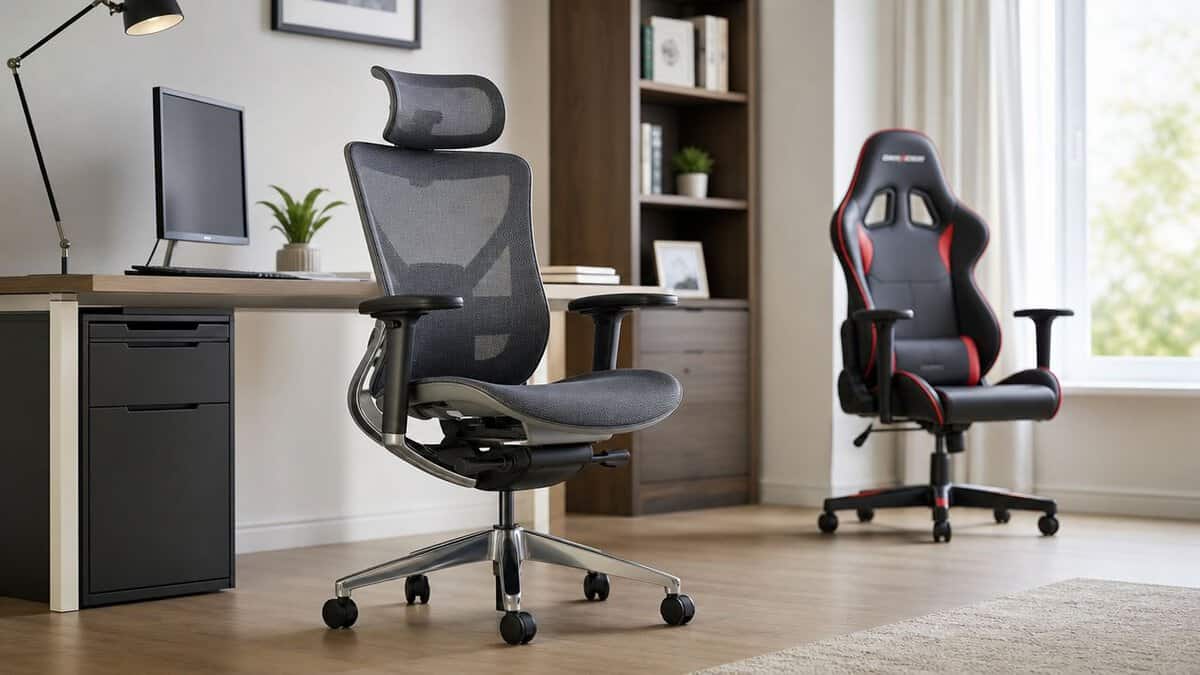
Sometimes the best racing gaming chair for your needs is no racing chair at all.
If your setup has to handle work, gaming, study, and long general desk time, an office chair is often the better buy. It usually gives you better airflow, a less restrictive seat, and a design built around movement instead of visual identity.
A lot of users say the same thing in plain language: budget racing-style gaming chairs often trade real comfort for the racing seat look, and many people find standard ergonomic office chairs more comfortable because the cushioning and support systems are better, as reflected in this community discussion about gaming chair comfort.
And if the racing style is what brought you here in the first place, stick with it: the picks above are the ones built to last, and the checklist below keeps whichever chair you choose feeling new.
Office chairs win in a few clear situations
- You work and game in the same chair: Office chairs usually handle all-day sitting better.
- You run hot: Mesh and breathable office-style materials make more sense than sealed synthetic surfaces.
- You shift posture a lot: Less aggressive bolstering means more freedom to move.
- You hate gamer styling: A neutral chair ages better in shared rooms and professional spaces.
The financial case matters too
Value isn’t just purchase price. It’s how long the chair stays comfortable and usable before the seat sags, the mechanism loosens, or the armrests annoy you enough to replace it.
If you’re choosing between a budget racing gaming chair and a sturdy used ergonomic office chair, don’t assume the gaming option is the better deal just because it seems purpose-built. A lot of the time, it just looks more purpose-built.
The honest advice is simple. Buy the racing look only if you like the feel that comes with it. If your real priority is lower back support, freedom to move, and long work-plus-play sessions, office chairs usually win.
Your Pre-Purchase and Long-Term Care Checklist
A racing gaming chair can look convincing on a product page and still be a bad buy after two months. The final check is simple. Ignore the styling for a minute and judge the chair like a piece of load-bearing equipment.
Before you buy
Start with the parts that decide whether the chair will still support you after the return window closes.
- Read the warranty like a repair policy: Short coverage often signals where corners were cut. Pay attention to what is covered, especially the tilt mechanism, armrests, base, and upholstery.
- Match the shape to your body, not to the marketing photos: Side bolsters, shoulder wings, and tall backrests can look supportive but create pressure points if the shell is too narrow or the lumbar shape hits the wrong spot.
- Check the adjustment range, not just the feature list: Height adjustment, armrest movement, recline tension, and lumbar support only matter if they fit your desk height and your sitting habits.
- Look for failure points in user photos and reviews: Wobbling arms, peeling surfaces, flattened seat foam, and noisy tilt parts are the common weak spots in this category.
- Measure your setup before ordering: A chair can be acceptable on its own and still feel terrible at the desk if the armrests sit too high or the seat pan forces your knees into a bad angle.
This part gets skipped a lot. It matters.
A racing chair also performs differently depending on the rest of your station. Desk height, monitor placement, and elbow angle affect comfort as much as the chair itself. If you’re rebuilding the whole setup, this guide to the best standing desk for gaming can solve posture problems that buyers often blame on the seat.
After it arrives
A decent chair wears out faster when people treat it like furniture instead of equipment. Small maintenance habits make a real difference. For a VR rig, the VR headset guide for sim racing explains why a chair that holds your head position matters over a stint. If the chair ends up bolted to a frame, our sim racing cockpit guide covers the rigs with a seat built in.
- Retighten the hardware after the first few weeks: New chairs often loosen slightly as the frame settles under regular use.
- Clean the upholstery before grime builds up: Sweat, skin oil, and dust break down synthetic surfaces and make fabric look old fast.
- Clear hair and debris from the casters: Bad rolling puts extra stress on the base and makes the chair feel cheaper than it is.
- Pay attention to foam and support changes: If the seat starts bottoming out or the lumbar cushion shifts constantly, comfort usually keeps getting worse, not better.
- Recheck your posture every few months: If you’ve started leaning forward, perching on the edge, or avoiding the backrest, the chair is telling you something about its real ergonomics.
Frequently Asked Questions
Quick answers to the racing chair questions buyers ask most.
Are racing gaming chairs good for your back?
A well-built one can be. The deciding factors are adjustable lumbar support, quality foam, and a backrest that fits your frame, not the racing shape itself. Cheap racing shells with fixed bolsters and thin padding are where back complaints come from. If you already deal with back pain, prioritize lumbar adjustability over styling in any chair you consider.
What is the difference between a racing chair and an office chair?
A racing chair uses a bucket-style high back inspired by car seats, usually with bolsters, a headrest pillow, and a deeper recline. Office chairs prioritize task posture with breathable mesh and tuned ergonomic adjustments. Racing chairs win on recline range, style, and head support; office chairs typically win on breathability and fine-grained adjustment.
How long do racing gaming chairs last?
Entry-level chairs typically hold up 2 to 3 years before the foam flattens or the upholstery wears. Mid-range and premium chairs with cold-cure or high-density foam commonly run 4 to 6 years or more. The frame rarely fails first; foam and upholstery are the usual retirement reasons, which is why they are worth paying for.
Are esports edition chairs worth it?
Team editions are usually the same chair wearing a different livery, so judge them on the base model’s build: foam density, armrest adjustability, and frame quality. If the base chair earns its price, the team edition is a fun way to support your team. Never pay extra for a livery on a chair you would not buy in plain black.
What weight capacity should I look for in a racing gaming chair?
Pick a chair rated comfortably above your body weight, not right at it. Ratings assume static sitting, and real use adds movement and leaning. A steel frame and a metal five-star base matter as much as the printed number. Bigger users should also check seat width between the bolsters, which limits comfort before the weight rating does.
The best value is the chair that still feels correct after long sessions, not the one that looked the most “pro” on day one.
Related Articles