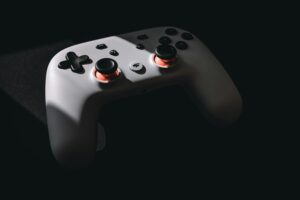
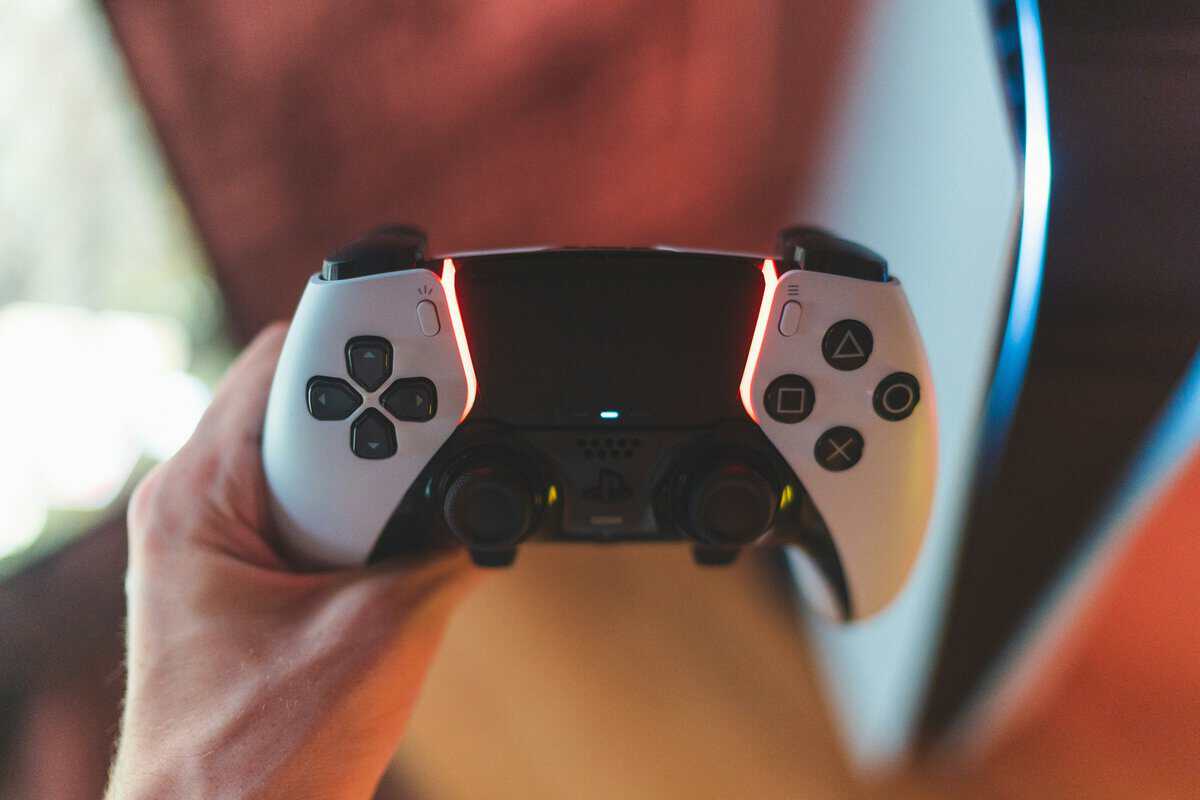
Most fighting game advice still pushes people toward an expensive arcade stick first. For most players, that’s backwards. If you’re trying to find the best controller for fighting games, the smartest buy usually isn’t the flashiest one. It’s the one that gives you reliable inputs, solid build quality, and a control scheme you’ll consistently use.

A good fight pad can beat a costly stick on value. A leverless controller can beat both on raw execution if you’re willing to relearn movement. And a traditional stick still makes sense for players who want the arcade feel or plan to customize over time. The core question isn’t what’s most “pro.” It’s what gives you the best performance per dollar for your games, your habits, and your platform.
- 8-button face layout matches arcade muscle memory better than analog-stick pads
- Tournament-grade D-pad handles half-circle and quarter-circle motions cleanly
- Wired construction eliminates input lag for serious play
- No Xbox compatibility, separate model needed for Xbox Series
- Cable is fixed, not detachable, so a damaged cable means a replacement controller
- Smaller hand sizes may find the body slightly stretched
- Works across Switch, Switch 2, and Windows PC with a mode-aware button display
- Three connection modes (BT, 2.4G, wired) cover most scenarios
- Switch + Windows compatibility is a real value at this price tier
- Stock joystick and buttons feel cheaper than premium Sanwa hardware
- No PS4/PS5 native support out of the box
- Lighter chassis is less stable on a lap than tournament-weight sticks
- Crystal low-profile switches feel fast and consistent for combo execution
- SOCD cleaner support is the spec that matters for serious tournament play
- Hot-swap design lets you tune feel as your skill level grows
- No Xbox native compatibility, adapter required for Xbox Series
- Software ecosystem isn’t as polished as premium Razer or Hit Box options
- Steeper learning curve if you’ve only used pad or stick before
- For most beginners, a tournament-grade fight pad like the Hori Fighting Commander OCTA gets you 90% of the way there for a fraction of premium pad money.
- Arcade sticks are still the choice for traditional Street Fighter and King of Fighters players, but the learning curve is real.
- Leverless (Hit Box-style) is the fastest-growing input method in the FGC and the most ergonomic for long sessions.
- Always go wired for serious play. Wireless input lag still matters in 60fps frame-perfect inputs.
- Spend on durable buttons and a solid case before fancy LEDs or branding. Fight controllers get hit harder than any other peripheral.
Table of Contents
Finding Your Perfect Fighting Game Controller
The old rule that serious players need a big arcade stick doesn’t hold up anymore. Community discussions keep coming back to the same practical point. For beginners, a reliable D-pad matters more than prestige, and many reviews still overlook lower-cost options that get the job done well, as seen in this Steam community discussion on budget fight controller priorities.
That matters because “budget” doesn’t mean buying the cheapest plastic controller you can find. It means buying something that performs well enough to last through ranked matches, practice mode, and long sessions without making you fight your own hardware. That’s a different standard.
If you’re browsing broader controller options beyond fighters, this roundup of controller buying guides is a useful place to compare value-focused picks by platform and use case.
Practical rule: Buy for input reliability first, comfort second, and image third.
A lot of players coming from FPS gaming or MMO play assume their regular pad will be fine forever. Sometimes it is. Sometimes the D-pad falls apart once you start drilling quarter-circles, dragon punches, and repeated diagonals. Streamers run into a different issue. They need something durable enough for daily use and easy to swap between casual games and fighters without a huge setup change.
Here’s the short version:
| Controller type | Best for | Main strength | Main trade-off | Value verdict |
|---|---|---|---|---|
| Fight pad | Most players, especially beginners | Familiar layout and easy learning curve | Usually less customizable | Best overall value for most people |
| Arcade stick | Players who want arcade feel and mod potential | Comfortable hand placement and upgrade path | Bigger, pricier, less practical for many desks | Worth it if you specifically want stick play |
| Leverless | Competitive players focused on execution | Fast, precise directional inputs | Takes time to learn | Best performance ceiling per dollar if you’ll adapt |
What Actually Matters in a Controller for Fighting Games
Specs matter, but only a few of them affect matches. If a controller can’t register diagonals cleanly, maintain stable latency, and survive repeated practice, none of the marketing language matters.
For a broader look at multipurpose picks, including non-fight-specific options for PC play, this guide to budget gaming controllers for PC is useful context. For fighters, though, the checklist is narrower.
Input method decides a lot
A fighting game controller lives or dies on how it handles directional inputs.
- D-pad first for pad players: This is still the safest choice overall. It gives cleaner cardinal and diagonal inputs than analog for traditional 2D and 3D fighters.
- Analog is secondary: It can work, but it’s rarely the best answer for consistent motion inputs.
- All-button layouts change movement entirely: They trade familiarity for precision, which can be worth it if you’re chasing execution.
Wired usually wins for serious play
Wireless convenience is nice on the couch. It matters less once you’re grinding ranked or playing in tournament conditions. A wired connection removes battery anxiety and makes your setup simpler. That’s especially useful if you also stream and already have enough cables, audio gear, and capture equipment competing for desk space.
The best latency spec is the one you never have to think about during a set.
Build quality and durability aren’t optional
The true distinction between value and false savings becomes apparent. A cheap controller that develops mushy directions or inconsistent buttons stops being cheap once you replace it.
Look for:
- Durable face buttons: Repeated practice means thousands of presses over time.
- A dependable D-pad or directional cluster: Fighting games expose weak directional parts fast.
- Solid shell construction: Flex, creaks, and loose fit usually get worse, not better.
- Platform fit: PC, console, and hybrid setups all have different needs.
Layout matters more than people think
A six-button layout often feels more natural for fighters. It reduces awkward finger travel and better matches how many games map attacks. An eight-button layout isn’t wrong, but extra buttons only help if you use them well.
Players who split time between fighters, FPS games, and MMOs should be realistic here. A controller built for fighters may not be the best all-around gamepad. That’s fine. Specialty gear makes sense when the gains are real.
Controller Types Compared Pad vs Stick vs Leverless
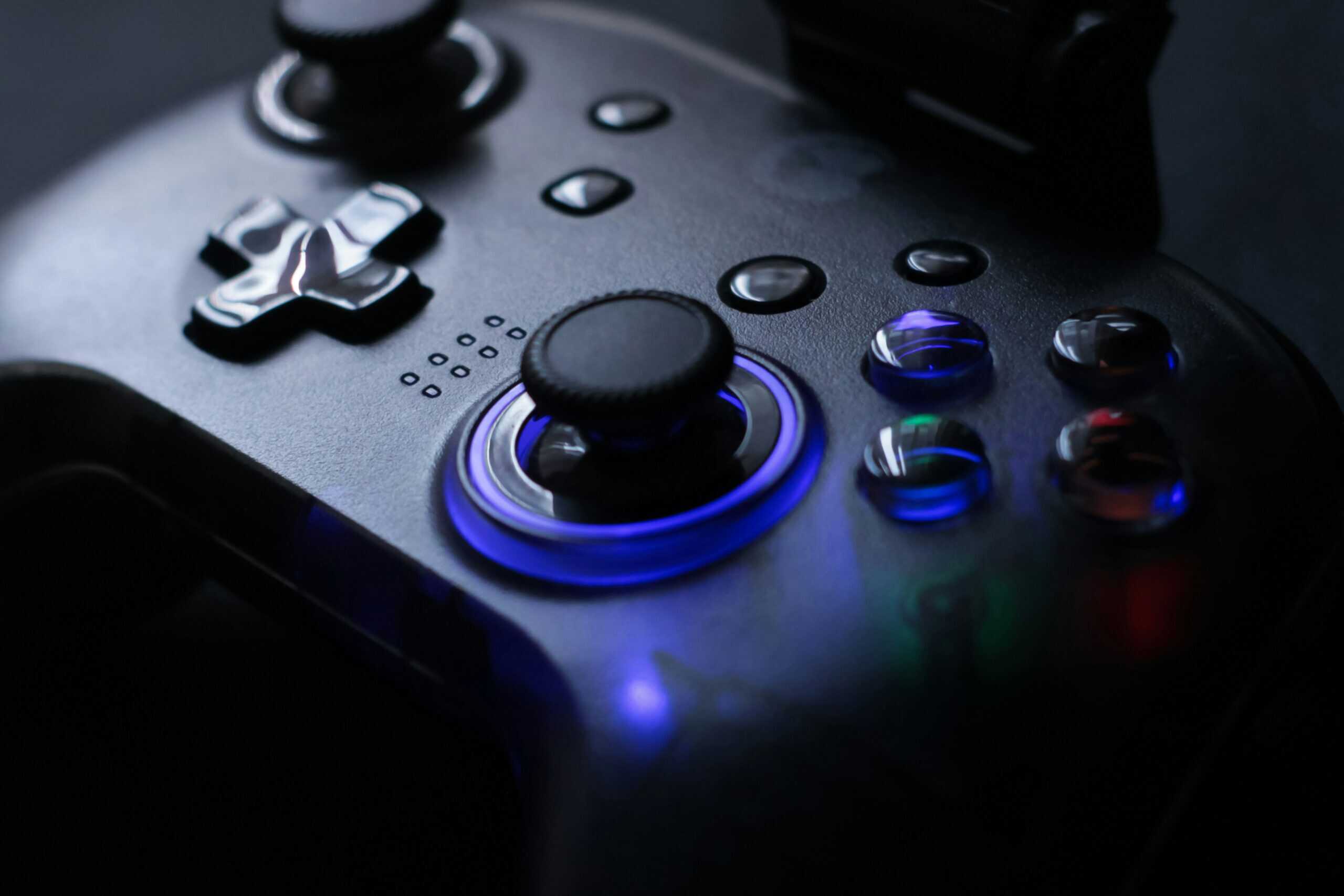
If you’re choosing between controller types, don’t start with what’s coolest on a desk. Start with what kind of mistakes you make in matches. Missed diagonals, accidental jumps, dropped combos, hand fatigue, and poor desk ergonomics all point toward different answers.
Players on handheld-friendly platforms often care more about portability and comfort, so this look at a Nintendo Switch controller setup can help if you’re splitting time between docked and tabletop play.
Fight pad
Fight pads are the easy recommendation for most players because they don’t force a full relearn. If you’ve spent years on console pads, your thumbs already know the basic rhythm. That lowers the barrier to entry and usually gives the best value.
The strongest fight pads separate themselves with D-pad quality. That’s why the old Sega Saturn pad still gets treated as a benchmark. It was released in 1994, and a large share of the fighting game community still ranks that style of D-pad above modern alternatives for 2D fighters, mostly on comfort over long tournament sessions.
If you want the fewest surprises and the lowest cost of entry, start with a good pad.
Arcade stick
Arcade sticks still make sense. They’re comfortable for some players, especially if you grew up in arcades or like the wider hand spacing. They also fit a desk or lap setup nicely during long sessions and usually offer a straightforward path for part swaps later.
But they aren’t the automatic competitive upgrade people claim. A stick is larger, less portable, and often costs more before you’ve gained any actual advantage. For beginners, that can mean paying extra for nostalgia and learning curve at the same time.
Leverless
Leverless controllers remove the joystick and replace movement with buttons. That sounds strange until you try one seriously. Then the appeal becomes obvious. Cleaner inputs, less wasted motion, and easier repeatability on certain techniques.
That doesn’t mean they’re instantly better for everyone. A pad player can pick one up and feel completely lost at first. Movement has to be relearned, not just adjusted.
Key trade-off: Pad is easiest to start, stick is most lifestyle-driven, and leverless offers the highest execution ceiling if you commit to it.
Best Value Fight Pad: Hori Fighting Commander OCTA
For those prioritizing value, the Hori Fighting Commander OCTA is the strongest answer. Not because it’s perfect, but because it focuses on the right things. Directional precision, practical button layout, wired stability, and durability matter more than cosmetic extras.
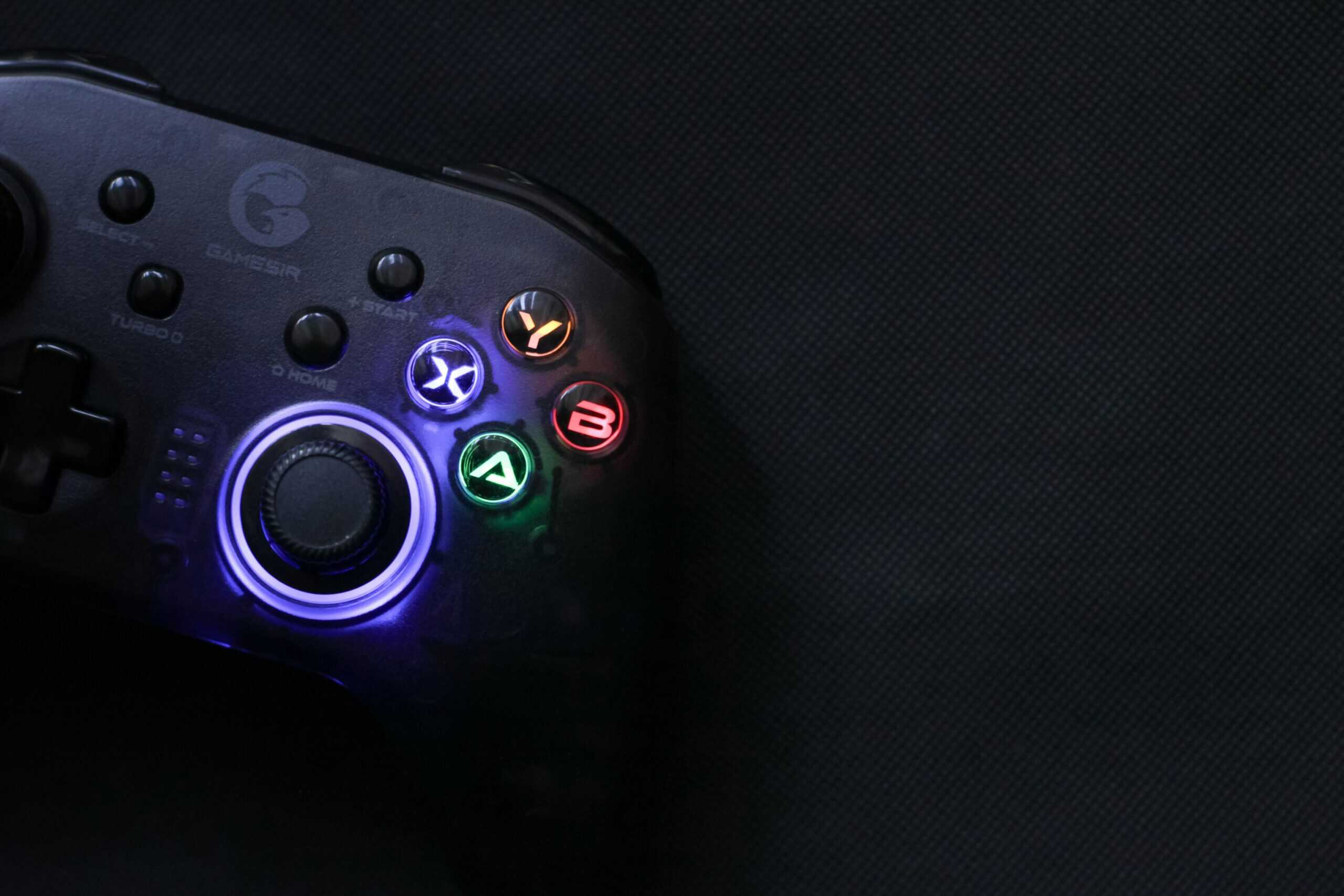
The important part is the D-pad. The OCTA uses a microswitch-based D-pad, and it was tested with zero input misses on complex motions like quarter-circles and dragon punches. Its wired USB-C connection also keeps end-to-end latency under 4ms, which is exactly the kind of real-world spec that matters in ranked play and online events, according to this Tom’s Guide evaluation of the Hori Fighting Commander OCTA.
Why it earns the value pick
A lot of fight pads either feel cheap or try too hard to be everything at once. This one stays focused. That’s why it works.
- The D-pad is the reason to buy it: Motions need to come out cleanly under pressure.
- Wired is a benefit here: No charging, no battery drop-off, no added uncertainty.
- It fits budget-minded competitive play: You get the performance most players need without moving into premium pricing.
If you also play on Xbox and want to build out the rest of your setup sensibly, these Xbox Series X accessory recommendations are worth checking alongside your controller choice.
The trade-off is simple. If you want wireless convenience for couch gaming, this isn’t the one. If you want a fight pad that prioritizes actual match performance, it makes more sense than spending far more on a luxury option.
Best Arcade Stick for Beginners: 8BitDo Arcade Stick
If you want a stick without diving straight into premium territory, the 8BitDo Arcade Stick is the practical entry point. It doesn’t win because it’s the fanciest. It wins because it gives beginners a real arcade-stick experience at a cost that doesn’t feel reckless. The current revision also plays natively on the Switch 2, so the stick survives a console upgrade.
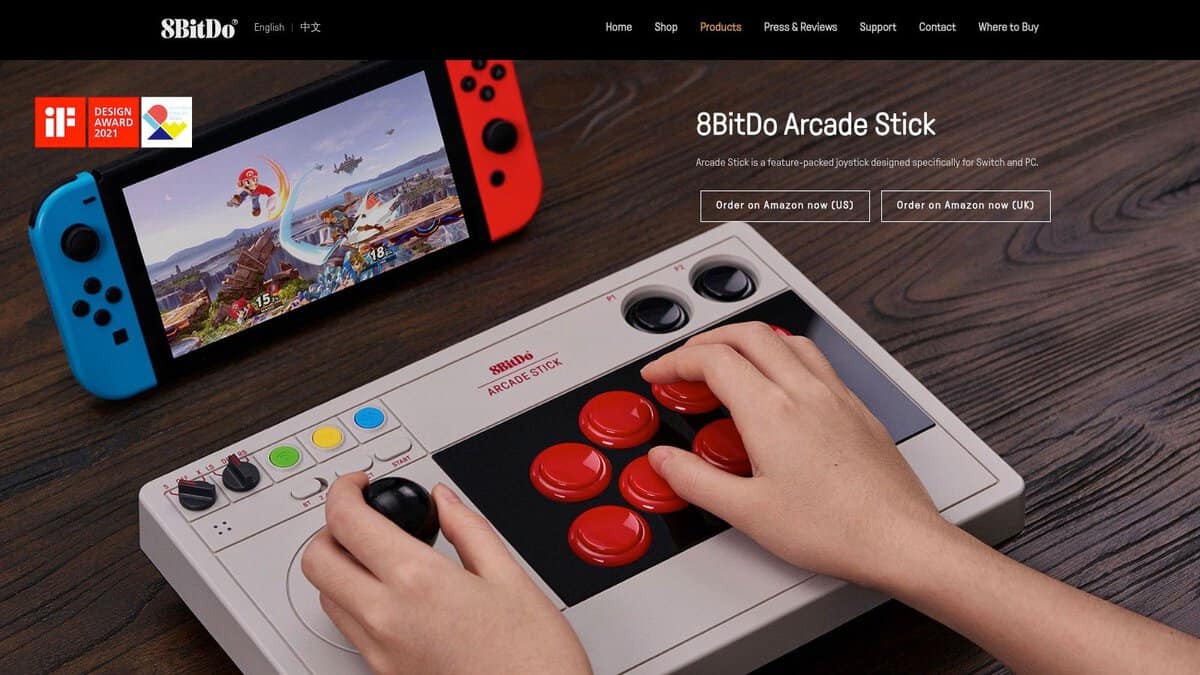
The biggest reason to consider it is value over time. This is the kind of controller that lets you learn whether stick play suits you before you commit more money. It also makes sense for players who want one controller that can pull double duty for casual arcade-style games, menu-heavy retro collections, or streaming setups where the larger form factor looks and feels better on camera.
Where it fits best
This isn’t the automatic best controller for fighting games for everyone. It’s the best beginner stick for people who specifically want stick.
- Good first step into arcade controls: You learn the layout and hand position without overspending.
- Useful beyond fighters: It also suits retro libraries and casual couch sessions.
- A better value than going premium too early: If you later decide to move on, you haven’t sunk too much into the experiment.
For players on Nintendo hardware, this roundup of Nintendo Switch accessories for a smarter setup pairs well with a stick-first approach.
The honest downside is that a beginner stick still asks more from you than a fight pad. It takes space. It takes adjustment. And if your only goal is clean ranked performance as fast as possible, a good pad often gets you there with less friction.
When to Consider a Leverless Controller
Leverless controllers stopped being a niche curiosity a while ago. They’re now a serious part of competitive play. Their share of top finishers at major tournaments like EVO has grown from a rarity to a regular sight over the last several years, and complex motions come out measurably faster on a button layout, according to this report on leverless adoption in fighting games. Our leverless controller guide picks one board each for PC and Switch, PS5, and Xbox.
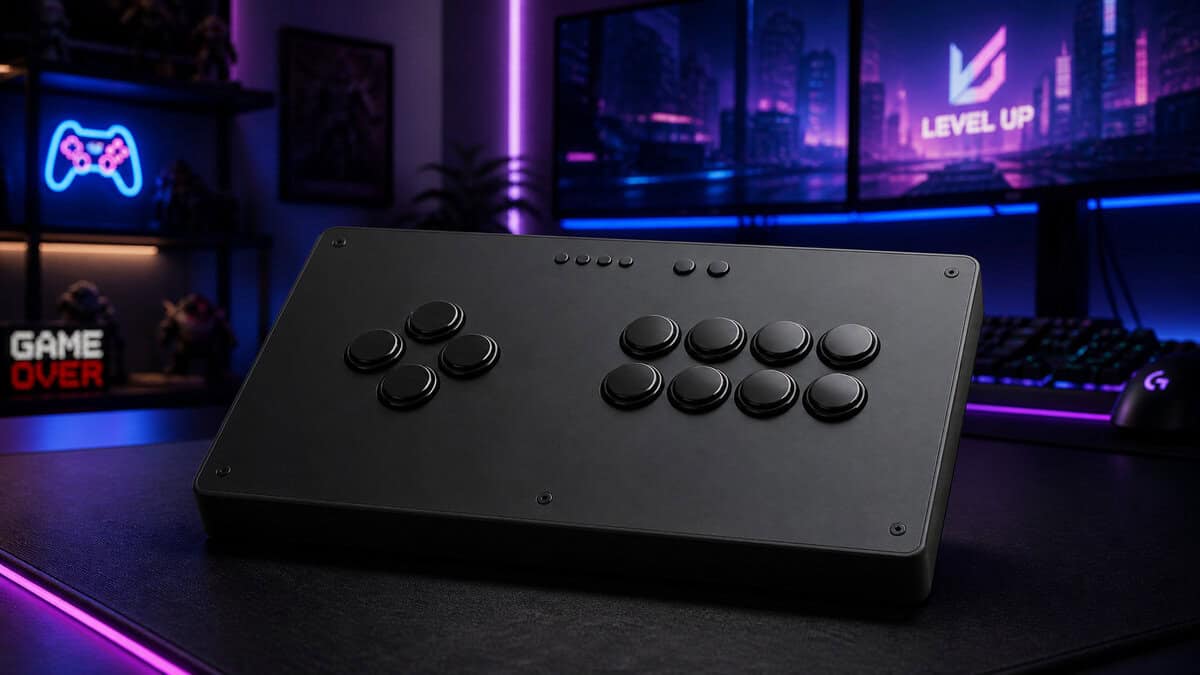
That doesn’t mean everyone should rush out and buy one. Leverless makes the most sense for players who already know they care about execution and are willing to retrain movement. If you’re still learning spacing, defense, matchup knowledge, and basic confirms, controller type isn’t your biggest issue yet.
Who should actually make the switch?
A leverless controller is worth serious thought if any of these sound familiar:
- You drop motion-heavy combos because your directional inputs get messy.
- You want a controller built around precision, not familiarity.
- You’re comfortable with a short-term dip in performance while learning.
Who probably shouldn’t
If you’re a casual player who mostly runs local sets, swaps between genres all week, or just wants comfort after work, the adjustment may not be worth it. The same goes for players who know they hate relearning muscle memory.
Leverless isn’t the best value because it’s trendy. It’s the best value for players who’ll actually use the extra precision.
This is also where spending more isn’t always necessary. Premium all-button models exist, but value-focused buyers should start with a lower-cost entry point and see if the layout fits before chasing expensive materials or tournament-brand prestige.
Final Buying Advice and Getting the Most Value
The best controller for fighting games comes down to one question. What are you trying to improve right now?
If the answer is basic consistency, buy a fight pad with a dependable D-pad and strong build quality. If the answer is arcade feel and long-term customization, an entry-level stick makes sense. If the answer is maximizing execution and reducing mistakes in serious play, leverless has the highest ceiling. In expert testing, leverless designs bring very low input latency, fewer execution errors over long sets, and a real bump in combo consistency once the learning curve is behind you, based on this expert leverless controller analysis.
A few habits protect your money no matter what you buy:
- Clean it regularly: Sweat, dust, and snack debris shorten button life.
- Store it properly: Don’t crush cables or toss a stick loose in a bag.
- Be honest about your use case: Ranked grinding, couch play, streaming, and multi-genre gaming don’t all need the same controller.
Buy the controller you’ll still want to use after the novelty wears off. That’s where the lasting value is.
If you would rather use an arcade layout, our best fight stick guide covers the affordable options.
Frequently Asked Questions
Are arcade sticks still worth it in 2026, or should I just learn leverless?
Arcade sticks are still the choice for players coming from the cabinet generation: Street Fighter, King of Fighters, and Tekken players who built muscle memory on arcades genuinely play better with a stick. But for newcomers in 2026, leverless (Hit Box-style) is increasingly the recommendation because it removes a layer of physical motion that the digital inputs already handle.
Pick a stick if the arcade aesthetic and feel matter to you. Pick leverless if you’re starting fresh and want the fastest path to consistent execution.
Can I use the same fight pad on PS5, Xbox, and PC?
Most fight pads are licensed for one console family (Sony or Microsoft) and PC compatibility is usually included with whichever console version you buy. The Hori Fighting Commander OCTA, for example, has a PS4/PS5/PC version and a separate Xbox Series X|S version.
If you genuinely need to play on both ecosystems, look at hardware adapters like the Brook Universal Fighting Board converter, or pay extra for tournament-grade controllers that support multiple platforms natively.
How much does a “good enough” fighting game controller actually cost?
$60-80 covers a tournament-grade fight pad. $75-150 covers a usable starter arcade stick or budget leverless. Anything under $40 is usually compromised on at least one critical feature: D-pad quality on pads, button feel on sticks, or SOCD handling on leverless.
The good news: at $80, you can get a controller that won’t hold you back at any skill level below high-tier tournament play.
Is wired really necessary for fighting games, or can I get away with wireless?
For casual play and online matches, modern 2.4GHz wireless is fine. Input lag has dropped enough that you won’t notice it in normal gameplay. For tournaments, training combos that require frame-perfect timing, or any setting where you’re measuring inputs in milliseconds, wired is still the standard.
The tournament rule of thumb: wireless is allowed but never preferred. If you’re serious enough to ask the question, the answer is wired.
If you want more gear advice in this style, Budget Loadout is worth bookmarking. It focuses on practical picks for gamers and streamers who want solid performance, durable hardware, and fewer overpriced mistakes.
Related Articles