A microphone pop filter is one of those accessories that seems optional until you hear the difference. That harsh burst of air from words starting with “P” or “B” can ruin an otherwise clean recording. The good news is you don’t need to spend much to fix it. Brands like Aokeo, Neewer, and Stedman offer effective solutions across every budget.
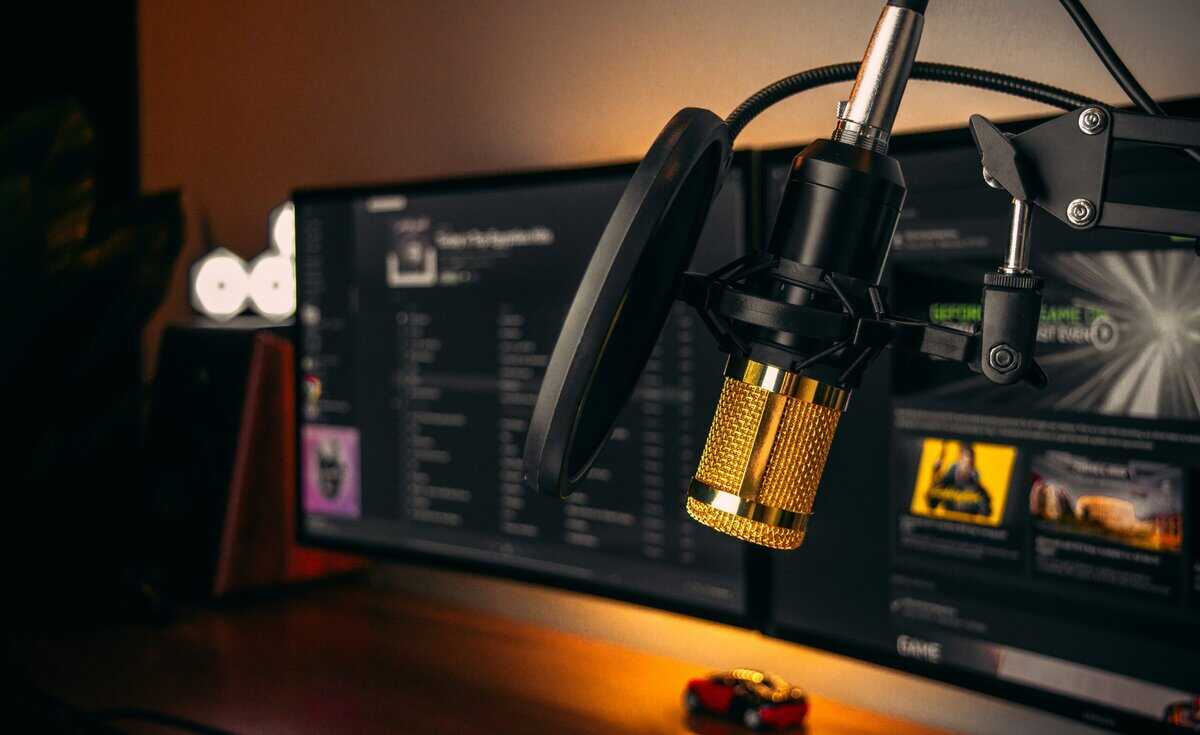
- Dual-layer nylon mesh effectively blocks plosive sounds
- Steel gooseneck holds position without sagging
- 6-inch screen provides room to move naturally while speaking
- Plastic frame feels functional, not premium
- Nylon mesh needs occasional cleaning
- Clamp may need adjusting for thick stands
- 14.8-inch gooseneck provides more positioning flexibility
- Matches the Aokeo in plosive reduction performance
- Affordable price with solid build quality
- Gooseneck may flex under its weight
- Very similar to the Aokeo overall
- Standard nylon mesh durability
- Patented metal screen lasts far longer than nylon mesh
- Open-weave design preserves high-frequency vocal detail
- Lifetime warranty from the manufacturer
- Heavier build adds mic stand weight
- Overkill for casual streamers
- A pop filter blocks harsh plosive sounds from P and B words that can ruin otherwise clean recordings and streams
- Metal pop filters are more durable and easier to clean, while nylon mesh filters provide slightly better plosive blocking
- Gooseneck-mounted filters offer the most flexible positioning; make sure the clamp fits your mic stand or boom arm before buying
- Position your pop filter 2-3 inches from the mic: too close blocks airflow, too far lets plosives slip through
Table of Contents
What Makes a Microphone Pop Filter Worth Buying
Finding a good pop filter isn’t about chasing the most expensive option. It’s about understanding the simple trade-offs between materials, durability, and price. The sweet spot for most streamers sits in the $10 to $20 range, where you can get a dual-layer nylon filter that handles plosive sounds in audio recordings effectively without breaking the bank.
So what are you giving up at this price? Mostly longevity and premium materials. A $60+ metal filter like the Stedman will last a decade and can be washed between sessions. Budget nylon filters do the job, but the fabric can stretch over time and the goosenecks may eventually droop.
The goal isn’t to find a filter with fancy features. It’s to find one that blocks plosives without muffling your voice. A solid gooseneck and dual-layer mesh are the true markers of a good budget pop filter.
Top Pop Filter Recommendations
For those who just want the bottom line, this table breaks down our top picks for specific needs. It’s a quick-start guide to finding the right filter for your streaming setup.
| Model | Best For | Key Feature |
| Aokeo Professional | Most Streamers | Dual-Layer Nylon, Steel Gooseneck |
| Neewer NW(B-3) | Budget Alternative | 14.8″ Gooseneck Reach |
| Stedman Proscreen XL | Long-Term Investment | Patented Metal Screen, Lifetime Warranty |
| On-Stage ASVS6B | Tight Budgets | Simple Clothespin Clip |
| PEMOTech 3-Layer | Blue Yeti Owners | Slip-On Design, No Gooseneck Needed |
Each of these filters represents a smart compromise, delivering functional plosive reduction where it counts most for its intended user.
Features That Matter in a Pop Filter
Figuring out what makes a pop filter good means looking past the marketing and focusing on the components that actually affect your audio. This isn’t just about finding a cheap accessory; it’s about finding one with the right design for your setup.
The most important factor is the filter material and layer count. This choice controls how effectively the filter blocks plosives while still letting your voice through clearly.
- Single-Layer Nylon: These are basic. You get some plosive reduction, but aggressive “P” and “B” sounds can still punch through. They work for casual use but leave something on the table for serious streaming.
- Dual-Layer Nylon: This is the standard for budget filters. The first layer catches the initial air blast, the gap between layers disperses remaining pressure, and the second layer handles what’s left. This design blocks plosives effectively without muffling your voice.
- Metal Mesh: Instead of absorbing air, metal filters redirect it downward, away from your microphone. This approach is more effective and allows more high-frequency detail through. The trade-off is a significantly higher price.
If you’re still building your audio setup, check out our guide on choosing the best budget USB microphone to pair with your new pop filter.
Gooseneck Quality and Clamp Design
Your filter’s gooseneck is where budget models often make their biggest compromises. A quality gooseneck holds its position indefinitely. Cheap ones droop under the filter’s weight after a few weeks, forcing you to constantly readjust during streams.
The clamp design also matters more than you’d think. Most filters use a screw-style clamp that fits boom arms and mic stands up to 1.5-2 inches in diameter. Some budget options use clothespin-style clips that are quicker to attach but may not grip as securely.
The trade-off is simple: spend a bit more on a filter with a steel gooseneck and quality clamp, or deal with occasional repositioning. For most budget streamers, a dual-layer nylon filter with a decent gooseneck provides the best balance.
Comparing the Top Pop Filter Contenders
Diving into the world of pop filters means being realistic about what you’re getting at each price point. Budget brands have grown by offering functional performance at accessible prices. But to hit those prices, each one makes a different set of compromises.
This breakdown focuses on what actually matters: how well the filter blocks plosives, the quality of its construction, and whether it will hold up over months of streaming.
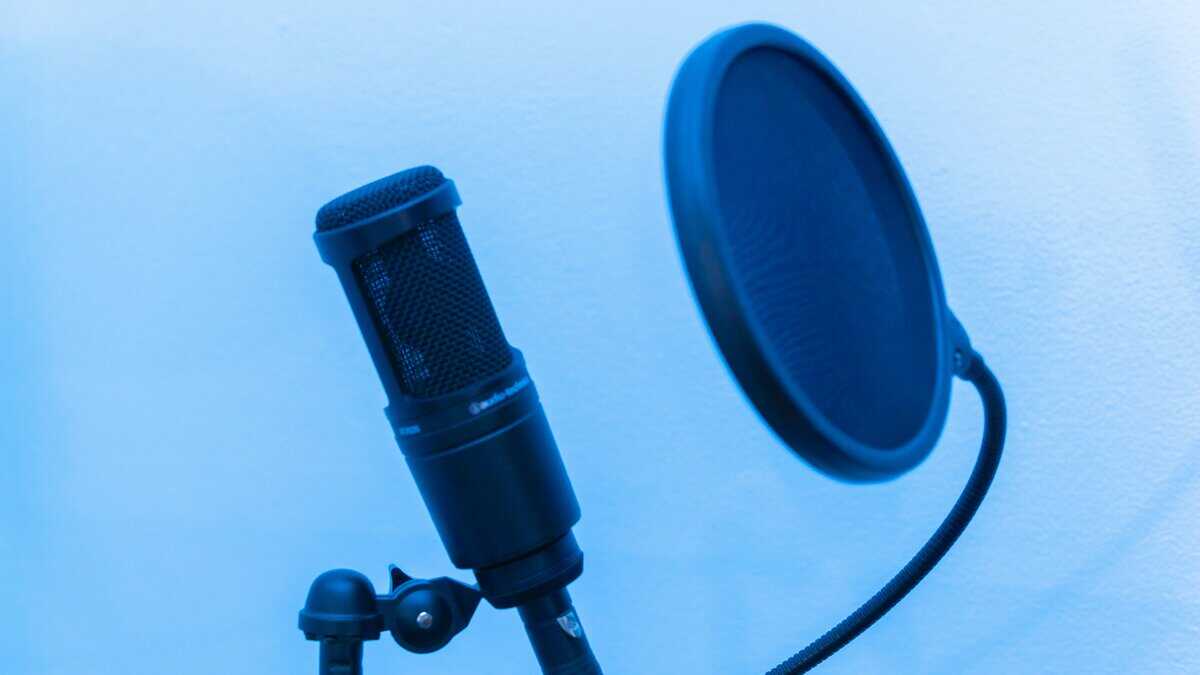
Aokeo Professional Pop Filter
For most streamers, the Aokeo Professional is the first stop for reliable plosive reduction without a high price. It’s become one of the most popular budget filters for good reason: it does exactly what it needs to do.
The dual-layer nylon mesh works as advertised, eliminating harsh “P” and “B” sounds without affecting your voice’s clarity. The 6-inch screen diameter gives you room to move naturally while speaking, and the steel gooseneck holds its position without sagging.
The build quality is solid for the price, but this is where you encounter the first trade-off. The plastic frame around the mesh feels adequate, not premium. It works, but it won’t impress anyone who’s handled higher-end gear.
The Primary Compromise with Aokeo: You get effective plosive reduction and a reliable gooseneck, but the overall construction feels like what it is: a budget accessory that prioritizes function over finish.
Neewer NW(B-3)
Neewer has built a reputation for affordable audio gear that gets the job done. The NW(B-3) matches the Aokeo’s performance nearly feature-for-feature, making it a solid alternative if you find a better deal or prefer Neewer’s ecosystem.
The dual-layer nylon design and 14.8-inch gooseneck provide slightly more reach than some competitors. This extra length can be useful if your boom arm positions your mic farther from where you’d ideally mount the filter.
One common complaint: the gooseneck can be stiff to position initially. It holds well once set, but finding the right angle takes some patience. This is a minor annoyance, not a dealbreaker.
Stedman Proscreen XL
The Stedman Proscreen XL takes a fundamentally different approach than nylon filters, and the results justify the premium price for serious content creators.
Instead of diffusing air through fabric, the patented metal screen uses angled slats that redirect airflow downward, away from your microphone capsule. This eliminates plosives more effectively than any nylon filter while allowing high frequencies to pass through completely unobstructed.
Everything about this filter is built to last. The metal screen won’t stretch or tear. The powder-coated clamp won’t corrode. The heavy-duty gooseneck holds position for years. Stedman backs it with a lifetime warranty because they expect you to use it for decades.
The Primary Compromise with Stedman: The price is six times higher than budget options. For casual streamers, that money might be better spent on a better microphone first.
On-Stage ASVS6B
The On-Stage ASVS6B strips the pop filter down to essentials. One layer of micro-weave nylon, a simple gooseneck, and a clothespin-style clip. It’s basic, but On-Stage is a legitimate music equipment company, so the construction is solid.
The single-layer design lets more plosives through than dual-layer alternatives. You may need to position it closer to your mouth or adjust your technique to compensate. But for gamers who just need basic plosive reduction for Discord or in-game chat, it does the job.
PEMOTech 3-Layer Filter for Blue Yeti
The PEMOTech 3-Layer is designed specifically for the Blue Yeti’s unique shape. Three layers (metal mesh, foam, and fabric) combine to block plosives, wind noise, and sibilance. The slip-on design fits directly over the Yeti using elastic bands, eliminating the need for a gooseneck entirely.
This is the cleanest solution for Blue Yeti owners who want effective filtering without an arm extending in front of their mic. The fit is secure enough that the filter stays in place even when the mic is mounted upside down on a boom arm.
The Primary Compromise with Slip-On Filters: They only work with specific microphones. The PEMOTech fits Blue Yeti and similarly-shaped USB condensers (55-75mm diameter), but won’t work with the HyperX QuadCast, Elgato Wave, or slim XLR mics.
Matching the Right Pop Filter to Your Setup
The “best” pop filter depends on what you’re actually using it for. A streamer running a dual-PC setup has different needs than someone just starting out with their first USB mic. Let’s break it down.
For Most Streamers
Most streamers need a filter that works reliably without demanding attention. Set it up once, forget about it, and focus on your content.
- Top Pick: Aokeo Professional
- Why it Works: The dual-layer design handles plosives effectively, the steel gooseneck stays where you put it, and the price leaves room in your budget for gear that matters more. It’s the default choice for a reason. Pair it with free recording software and you’re ready to stream.
For Blue Yeti Users
The Blue Yeti’s chunky shape makes traditional gooseneck filters awkward to position. A slip-on solution eliminates the hassle.
- Top Pick: PEMOTech 3-Layer
- Why it Works: The slip-on design was built for the Yeti’s form factor. Three-layer filtration handles plosives, wind, and sibilance. No gooseneck means a cleaner desk setup that looks better on camera.
For Long-Term Investment
If you’re building a setup you plan to use for years, buying quality once beats replacing cheap gear repeatedly.
- Top Pick: Stedman Proscreen XL
- Why it Works: The metal construction, lifetime warranty, and superior plosive rejection make it the last pop filter you’ll ever buy. The ability to wash it between sessions is a genuine hygiene advantage for podcasters recording multiple voices.
For anyone serious about streaming audio quality, it’s worth making sure the rest of your signal chain is solid too. Our guide on OBS settings for streaming on a budget PC covers how to optimize your broadcast without expensive hardware.
Frequently Asked Questions
Even after diving into the details, you probably still have a few questions. Let’s tackle the common ones that pop up when you’re shopping for a pop filter.
Find the perfect balance of price and performance for your gaming needs at Budget Loadout. Explore our curated guides now: Budget Loadout
Related Articles