A quality wrist rest for a keyboard is an ergonomic tool, but its purpose is often misunderstood. It’s designed to keep your wrists in a neutral, straight position during long gaming or typing sessions, reducing repetitive strain injuries by preventing them from bending upwards at an unnatural angle.
That upward bend is a direct path to fatigue and discomfort. This guide provides direct recommendations for budget-conscious gamers who value long-term performance, covering different materials, keyboard sizes, and specific use cases like FPS, MMO, and streaming.
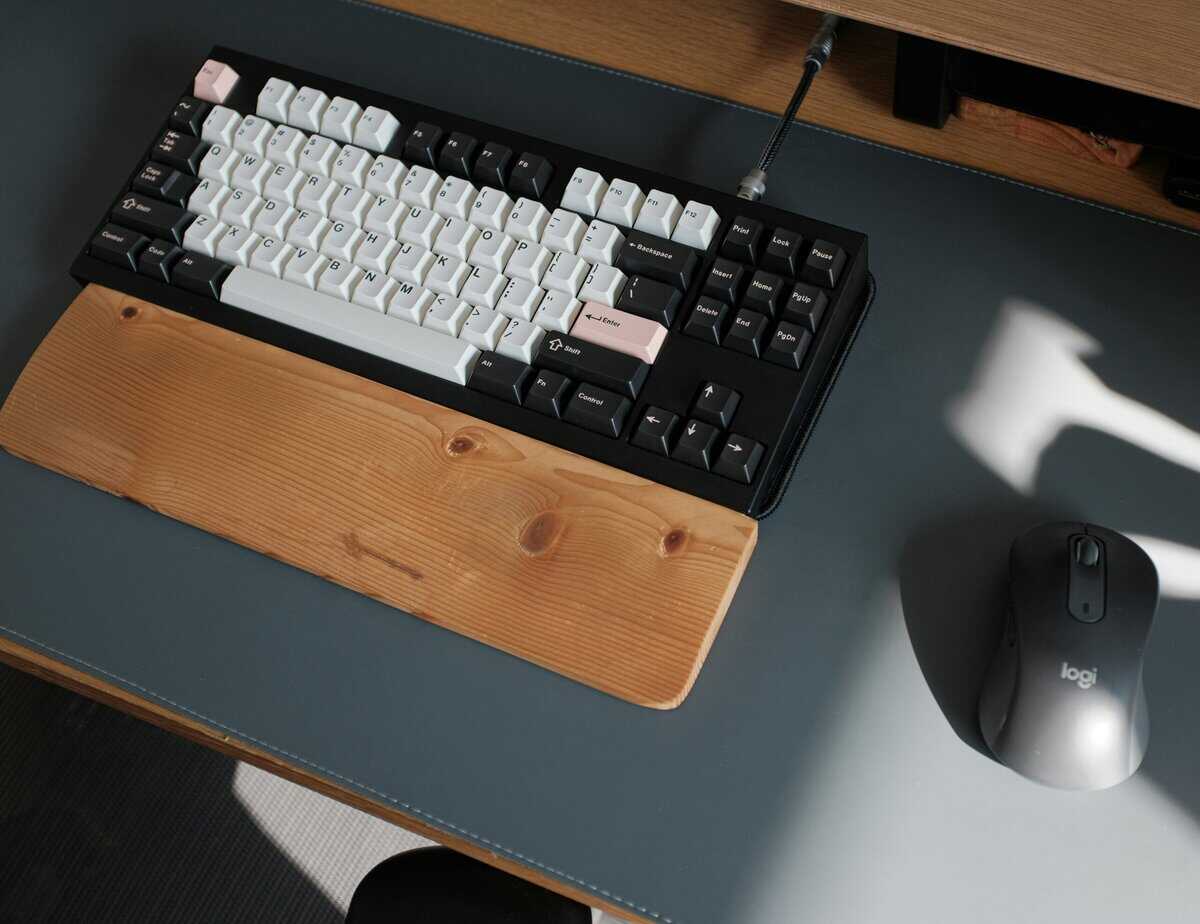
- A wrist rest keeps your wrists in a neutral position, reducing pressure on the carpal tunnel during long typing sessions
- Memory foam rests offer the best balance of support and comfort, while gel rests run cooler but feel firmer
- Full-size rests should match your keyboard length — a mismatched size forces awkward hand positioning
- Leather and faux-leather covers are easiest to clean, while fabric covers offer better grip and breathability
- Replace your wrist rest every 6-12 months if using gel or foam — they compress over time and lose their support, which can worsen wrist strain
Table of Contents
- Cooling gel keeps hands comfortable during long sessions
- Balanced firmness sits between foam and wood
- Anti-slip rubber base stays firmly in place
- Gel foam may indent over time
- Full-size only; no compact sizes
- Fabric needs occasional cleaning
- Firm, stable surface ideal for precise FPS gaming
- Highly durable solid wood construction
- Easy to clean and maintain long-term
- No cushioning; firm feel
- Wood feels cool in cold rooms
- TKL size only; no full-size option
- Memory foam molds to your palms for personalized comfort
- Plush leatherette cover has a premium feel
- Excellent pressure distribution for marathon sessions
- Memory foam retains body heat
- Foam may lose shape over time
- Leatherette needs frequent cleaning
Do You Really Need a Wrist Rest for Your Keyboard?
Let’s clarify the most common misconception: a wrist rest isn’t meant for your wrists. The name is misleading. Resting the sensitive carpal tunnel area on it is a mistake.
Its actual function is to support the heel or palm of your hand. The goal is to elevate your palms so they are level with the keyboard’s frame, which prevents wrist extension—the upward bend that causes strain.
For a budget-conscious gamer, this is about more than comfort; it’s about performance and longevity. During an intense session, proper posture is crucial.
How Different Gamers Benefit
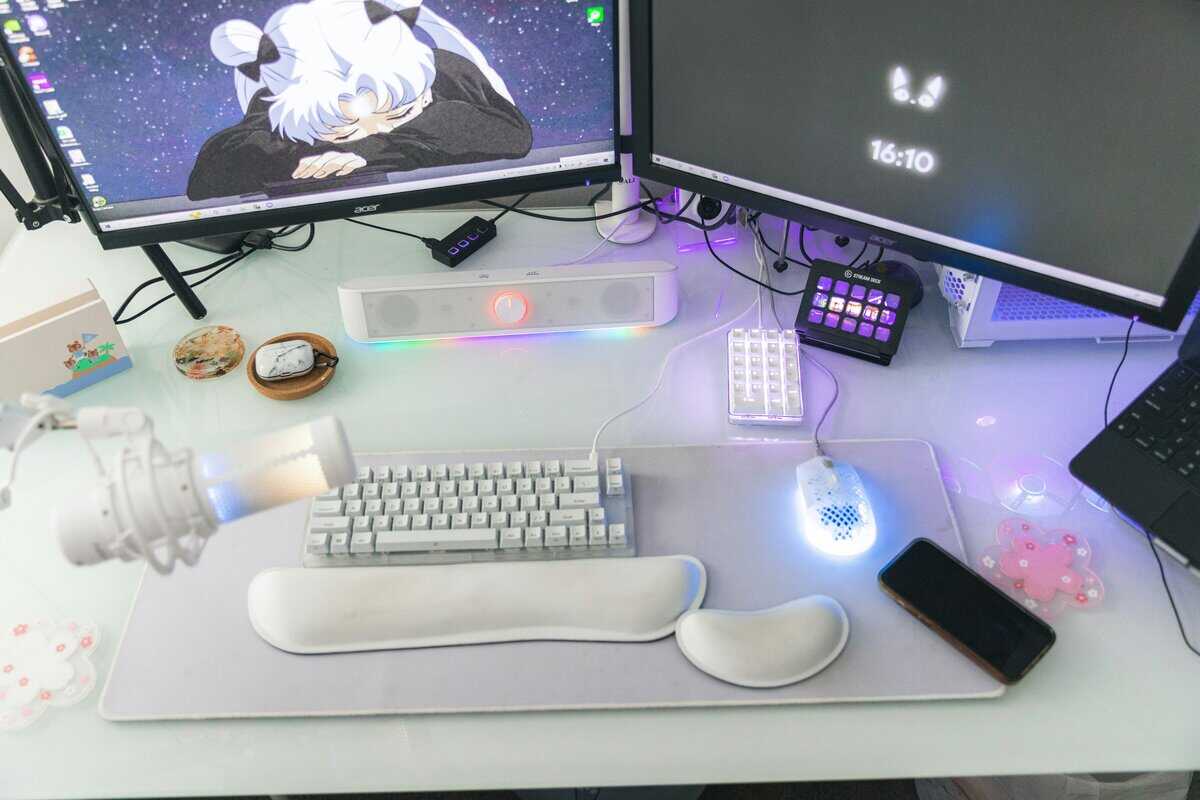
The need for a wrist rest becomes clear when considering specific games that keep your hands in a fixed position for hours. Each genre introduces unique physical stress.
| Gaming Style | Primary Strain Factor | How a Wrist Rest Helps |
|---|---|---|
| FPS Gaming | Constant WASD micro-adjustments and holding a claw-like grip. | Provides a stable base, reducing the tension needed to keep fingers poised over keys for quick reactions. |
| MMO / MOBA | Repetitive key presses for abilities and long, static hand positions. | Alleviates pressure points on the palm during marathon raids or grinding sessions. |
| Streaming | Extended hours of combined gaming and typing for chat interaction. | Reduces cumulative fatigue, keeping you comfortable and focused for your audience over long broadcasts. |
Ultimately, ergonomics isn’t a luxury. For gamers, whose sessions can easily last 4-6 hours, a good wrist rest is a practical investment in your long-term health and performance.
Proper ergonomics are a fundamental part of any effective setup. You can learn more about integrating these principles in our guide on choosing the best gaming desk.
Comparing Materials: Wood vs. Gel vs. Foam
Choosing the right material is the most critical decision. It dictates comfort, durability, and maintenance. The three primary options are wood, gel, and memory foam, each with clear tradeoffs suited to different gamers and budgets.
Wood Rests: The Firm Foundation
A firm wooden wrist rest, such as those from Glorious, provides a solid, consistent surface. It has no cushioning, which many gamers—particularly in FPS titles—prefer for maintaining a steady hand position. The build quality is excellent; its solid structure is highly durable and easy to clean with a quick wipe.
The downside is the complete lack of pressure relief. If your palms get sore easily, the unyielding surface can become uncomfortable during marathon sessions. But for FPS players who value stability above all else, that unwavering support is a significant advantage.
Gel Rests: The Middle Ground
Gel wrist rests offer a compromise between firm support and soft cushioning. Models like the HyperX Wrist Rest use a cooling gel-infused foam that provides a responsive yet forgiving surface. It is noticeably softer than wood but firmer than most memory foam, which prevents your palms from sinking too deep.
This balanced feel makes gel a great all-around choice for gamers who switch between fast-paced action and longer, more relaxed genres. The primary tradeoff is long-term durability; some gel rests can develop permanent indentations or lose their shape after a few years of heavy use.
Memory Foam: Maximum Cushioning
For anyone prioritizing plush comfort, memory foam is the logical choice. A memory foam wrist rest, like the Razer Ergonomic model, molds to the shape of your palms. This creates a custom-fit feel that distributes pressure evenly, making it well-suited for long MMO sessions or hours of streaming.
This material has its own set of compromises. Memory foam is known for trapping body heat, which can become noticeable during an intense match. The fabric covers also require more frequent cleaning to prevent grime buildup, and the foam itself can degrade or flatten over time, especially with lower-quality options. It is often the most comfortable pick initially, but it is also the least durable of the three.
To help you evaluate these tradeoffs, here’s a direct comparison of how each material performs.
Wrist Rest Material Comparison
| Material | Comfort & Feel | Durability | Maintenance | Best For |
|---|---|---|---|---|
| Wood | Firm, stable, zero cushioning. Provides a consistent, flat surface. | Excellent. Highly resistant to wear, warping, and damage. | Very Low. Easy to wipe clean with a damp cloth. | FPS gamers who prioritize stability and a steady aiming platform. |
| Gel | Balanced, responsive cushioning. Firmer than foam but softer than wood. | Good. Can develop indentations or lose shape over several years. | Low. Most have a wipeable surface, though fabric can stain. | All-around gamers who need a mix of support and comfort. |
| Memory Foam | Plush, soft, and conforming. Molds to your specific hand shape. | Fair. Prone to flattening over time, especially budget models. | Medium. Fabric covers can absorb sweat and oils, requiring regular cleaning. | Streamers, typists, and MMO players who value maximum comfort for long sessions. |
Ultimately, choosing a material is just one piece of the puzzle. For more ways to improve your setup’s ergonomics and performance, check out our guide on the best desk accessories for gaming.
Matching a Wrist Rest to Your Keyboard
A one-size-fits-all wrist rest does not exist. Using the wrong size is more than a minor inconvenience—it can create new pressure points and negate the ergonomic benefits entirely. Matching the rest to your specific keyboard is the most important step.
The first priority is length. Your wrist rest should align perfectly with the width of your keyboard’s main typing area.
Full-Size: Requires a long rest that covers the entire keyboard, including the number pad.
Tenkeyless (TKL): A medium-length rest is appropriate, ending where the numpad would typically begin.
60% / 65%: Needs a compact rest that matches its smaller frame.
Using a TKL rest with a 60% keyboard, for example, leaves an awkward, unusable overhang that gets in the way.
Getting the Height and Angle Right
Next, confirm the height. The top of the wrist rest should be level with the front edge of your keyboard’s frame—not the top of the keycaps. Measure the height of your keyboard from the desk to its lowest point in the front. A rest that is too high or too low will force your wrist into an unnatural angle, causing the very strain you are trying to prevent.
Beyond fit, examine the build quality. A non-slip rubber base is essential, especially for FPS gamers who make rapid, aggressive movements. Your support cannot slide around mid-fight. For fabric models, look for durable stitched edges that resist fraying. If you choose a wooden one, ensure it has a smooth, properly sealed finish to prevent splinters and resist moisture.
Finding the right fit matters, especially as keyboards become more compact. A well-matched wrist rest provides stability and proper ergonomic alignment, regardless of your keyboard’s size.
Standalone vs. Integrated Wrist Rests
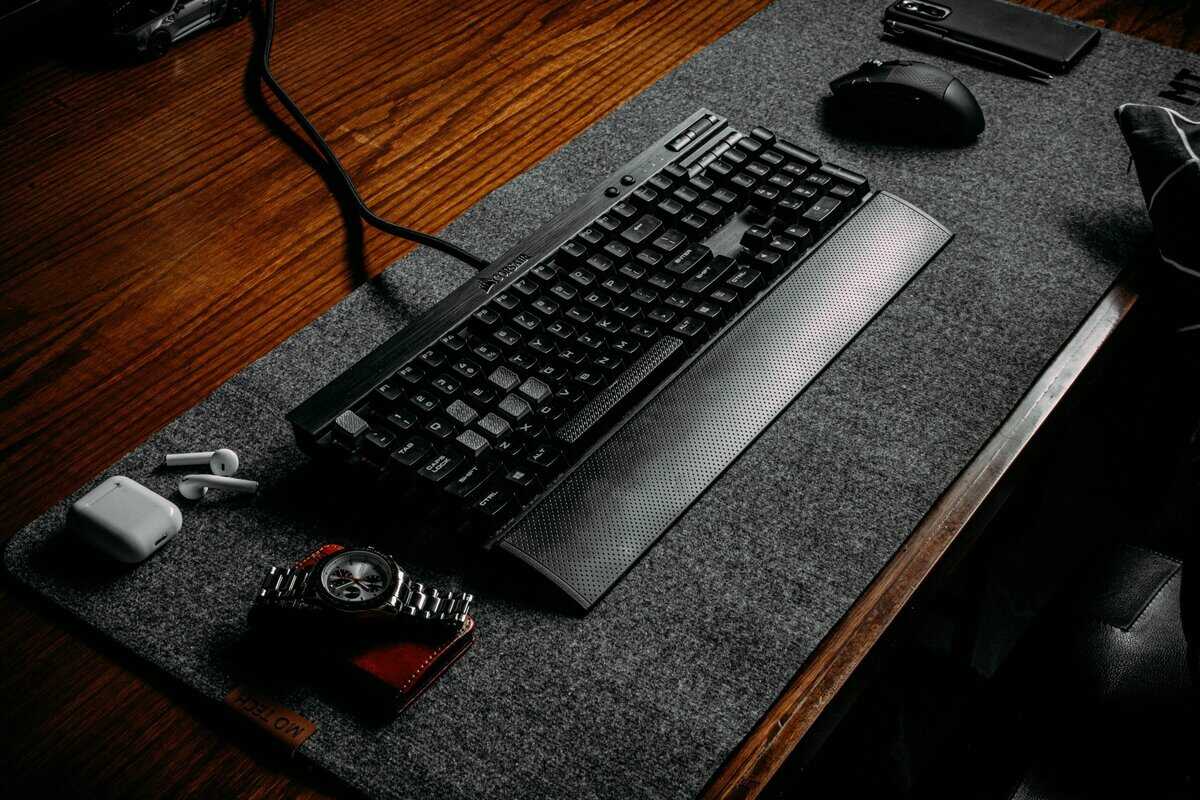
Many gaming keyboards, particularly from major brands like Corsair or Logitech, include a wrist rest in the box. This is a convenient perk—it aligns perfectly, matches the aesthetic, and requires no extra thought. However, that out-of-the-box convenience often comes with significant compromises.
Most included rests are made of hard plastic, offering little more than basic elevation. They are also a common point of failure. If a cheap plastic clip snaps or the surface wears down, it cannot be replaced. You are locked into the material and angle the manufacturer chose, with no option to customize it for your body.
The Case for Standalone Rests
Opting for a standalone wrist rest gives you full control. You can select the exact material that suits your preference, whether that’s dense wood, soft memory foam, or cool gel. You can also choose the ideal height and firmness for your hands and typing style.
The practical benefits are substantial. If it gets dirty, you can easily clean it. If it wears out after years of intense gaming, you can simply buy a new one without having to replace a perfectly functional keyboard. A quality standalone rest is a durable, long-term investment.
Choosing a standalone rest is an investment in long-term comfort and adaptability. An integrated rest might seem “good enough” at first, but its fixed design and basic materials are a dead end. A separate rest ensures you get the right fit for your body, not just for the keyboard.
The choice depends on your priorities. For FPS or MMO gamers who spend hours at their desks, the superior materials, durability, and custom fit of a standalone rest deliver far more value. The initial convenience of an included rest rarely outweighs these long-term advantages.
Top Wrist Rest Picks for Gamers
Finding a worthwhile keyboard wrist rest can be a frustrating process. To simplify your search, we have selected three solid options that offer real performance and value for different types of gamers. These recommendations are based on hands-on use, focusing on build quality, feel, and long-term durability.
Each represents a smart trade-off between price and performance. We are skipping the cheap models that degrade quickly and focusing on gear built to last.
Best Value Overall: HyperX Wrist Rest
The HyperX Wrist Rest occupies the ideal middle ground for most gamers. It uses a cool gel-infused memory foam that provides a supportive yet comfortable cushion. The feel is a balanced compromise—firmer than plush foam but with enough give to reduce fatigue during long sessions.
Its build quality is solid for its price point. The anti-fray stitched frame prevents the edges from peeling, a common failure point on cheaper models. Underneath, a stable, anti-slip rubber base keeps it locked in place, which is critical for any gaming genre.
The main tradeoff is maintenance. The fabric surface can absorb oils and dirt over time, so it requires occasional cleaning. However, for a product often available for under $20, its durability and balanced comfort make it the best all-around wrist rest for keyboard users seeking value.
For the majority of gamers who jump between different genres, a balanced gel-foam hybrid like the HyperX model offers the most versatility. It gives you enough stability for fast-paced games without sacrificing the cushioning you need for those marathon sessions.
Best for FPS Precision: Glorious TKL Wrist Rest
When precision is paramount, you need a wrist rest that provides a stable, unyielding platform. The Glorious TKL Wooden Wrist Rest delivers exactly that. Made from solid wood with a smooth finish, it offers zero cushioning—for many competitive FPS players, this is a feature, not a flaw.
This firm surface ensures your palm height remains perfectly consistent, preventing the subtle sinking that can disrupt micro-adjustments in games like Valorant or CS2. Its build quality is excellent; a solid block of wood is practically indestructible with normal use, and cleaning is as simple as wiping it down.
The compromise is comfort. If you are looking for a soft, plush feel, this is not the rest for you. But for players who prioritize a rock-solid aiming base and exceptional durability, the Glorious wooden rest is a sound investment that will outlast any foam or gel alternative.
Best for MMO and Streaming: MEKASS Ergonomic Wrist Rest
For long hours spent grinding in an MMO or engaging with a stream chat, comfort is the top priority. The MEKASS Ergonomic Wrist Rest uses soft memory foam with a breathable fabric cover that excels at distributing pressure and minimizing fatigue over extended periods.
It is designed for maximum cushioning, conforming to the shape of your palms for a custom-fit feel. The build quality is good, with a durable leatherette surface that is easier to wipe clean than fabric.
However, there are two tradeoffs to consider. The memory foam can trap some heat, which may be noticeable during intense sessions. Additionally, while the leatherette is tough, it can potentially crack or peel after several years of heavy, daily use. For streamers and MMO players who need premium comfort to stay focused, these are reasonable compromises.
Got Questions About Keyboard Wrist Rests? We’ve Got Answers.
Choosing a wrist rest can bring up several questions. Here are answers to some of the most common ones gamers and streamers ask.
Should a Wrist Rest Be Soft or Firm for Gaming?
This depends on the games you play and your personal preference. There is no single “best” answer, only tradeoffs.
A firmer rest—like dense gel or solid wood—provides unwavering support. Your palms will not sink, creating a stable platform for your hands. Many FPS players prefer this because consistency aids with precise aiming.
Conversely, a softer memory foam rest focuses on cushioning and relieving pressure points. For a long MMO raid or a multi-hour streaming session, that plush comfort can be a significant benefit. The choice comes down to your primary goal: stability or long-term comfort.
How Do I Clean My Keyboard Wrist Rest?
The cleaning method depends on the material. Using the wrong approach can damage your gear.
For hard surfaces like wood or plastic, simply wipe them down with a slightly damp cloth.
For fabric, foam, or gel rests, more care is needed. Use a cloth with a small amount of mild soap and water to gently scrub any spots. The most important step is to let it air dry completely before use to prevent mildew. Avoid harsh chemicals and never submerge the rest in water, as this can destroy the internal materials and adhesives.
Are Wooden Wrist Rests Comfortable for Long Sessions?
Comfort with a wooden rest is subjective and depends on your definition of the word.
If you define comfort as “cushy” or “plush,” then a wooden rest is not for you, as it offers zero cushioning. However, if you define comfort as firm, consistent support that maintains a stable, neutral wrist posture, then wood is an excellent choice. It prevents your palms from sinking or shifting and remains cool to the touch.
Many users find that this unwavering stability is more comfortable over several hours than a soft rest that collapses under pressure. For pure ergonomic support and a lifespan that will outlast almost any other material, a wooden wrist rest is a solid option.
At Budget Loadout, we provide clear, hype-free recommendations to help you assemble a high-performance gaming setup without overspending. For more guides and reviews, visit https://budgetloadout.com.
Related Articles